Talento
Categories:
- Turismo
- Tecnología de viajes
- capacitación
- Tecnología
- equipo
- Talento
- Talento
- ventas
- ganancia
- Opinión
- Noticias
- marketing
- Libro
- líder
- Hotel
- Foro Global de Ingresos de Madrid
- PENSIÓN COMPLETA
- Entrevista
- Encuentros
- desarrollo
- DESTACADOS
- debate. talento
- Debate
- Cocina y bebidas
- Ideas creativas
- consultante
- libro
- ingresos auxiliares
- auxiliar
- Alicante
- alojamiento
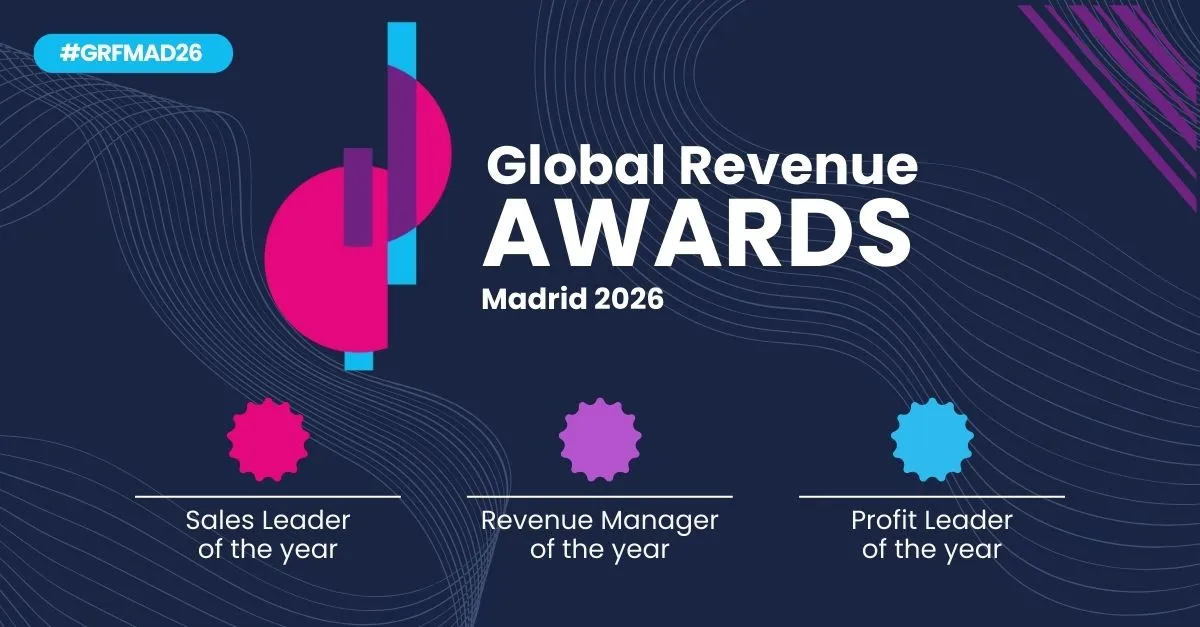
En el marco del Global Revenue Forum Madrid 2026 (#GRFMAD26), nacen los Global Revenue Awards, los primeros galardones en España dedicados exclusivamente a reconocer la excelencia y el liderazgo en el ámbito del Revenue Management hotelero. Organizados por Open Revenue Consulting y Torres Hospitality Consulting, estos premios buscan poner en valor a los profesionales que han transformado la gestión de ingresos en rentabilidad real. Las categorías premian desde la evolución profesional y el impacto tangible en el rendimiento del hotel, hasta el liderazgo comercial y financiero que impulsa resultados sostenibles, consolidando así el papel estratégico del revenue en la industria actual.

The hospitality industry is not facing a "lazy" workforce, but rather a "reward-design" problem exacerbated by a state of psychological "flatness" known as anhedonia. Research shows that young workers, particularly those under 25, are experiencing higher rates of burnout and lower reward motivation, leading them to choose low-effort options when the payoff feels uncertain. To combat this, hotel and restaurant operators must move away from "transactional" employment and redesign their "reward architecture." This involves making feedback cycles shorter (within 24 hours), increasing schedule predictability to reduce stress, and mapping out clear, tech-integrated growth paths. By making the effort-to-reward ratio visible and consistent, hospitality brands can re-engage a generation that seeks purpose and stability over mythical long-term career promises.

Using the "Local Legend" notification from the fitness app Strava as a metaphor, this article explores the power of gamification and real-time recognition in hospitality leadership. It argues that motivating teams doesn't require massive budgets or complex initiatives; instead, it relies on small, consistent nudges and the effective use of data already present in PMS and CRM systems. By tracking progress automatically, celebrating consistency over "flashy" peaks, and using subtle gamification, hotel managers can inspire their teams to go the extra mile. Ultimately, guest satisfaction is built on team motivation, and a well-timed, thoughtful message of recognition can be the most effective tool for driving both engagement and revenue.
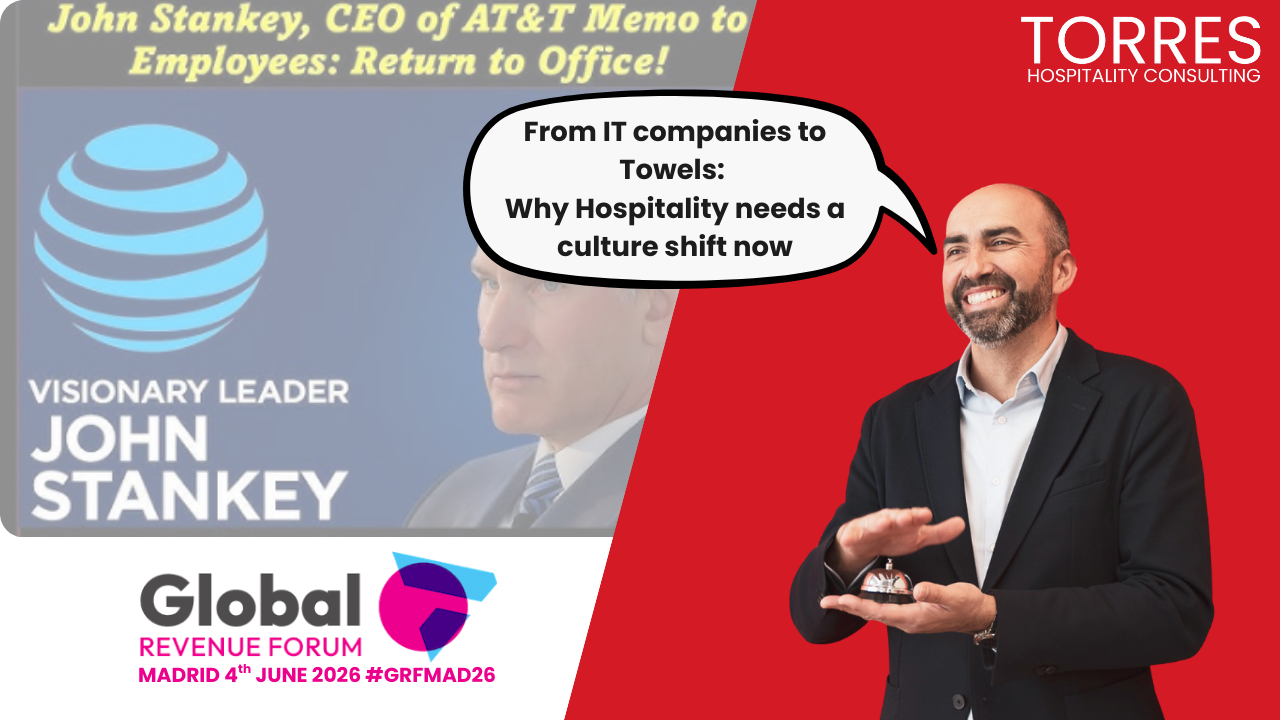
Drawing inspiration from AT&T’s strategic pivot, this article argues that hospitality businesses clinging to legacy models are walking toward irrelevance. The shift from a culture of tenure to one of performance is essential for an industry that must move beyond being a mere utility. By embracing tech-forward mindsets and tracking modern metrics like TRevPAR and Customer Lifetime Value (LTV), hotels can transform their staff from service-only roles into strategic contributors. Ultimately, building a "results-driven" culture—where KPIs are everyone’s business—is the only way to evolve from room-night tracking to total revenue optimization and remain relevant in a hyper-competitive market.
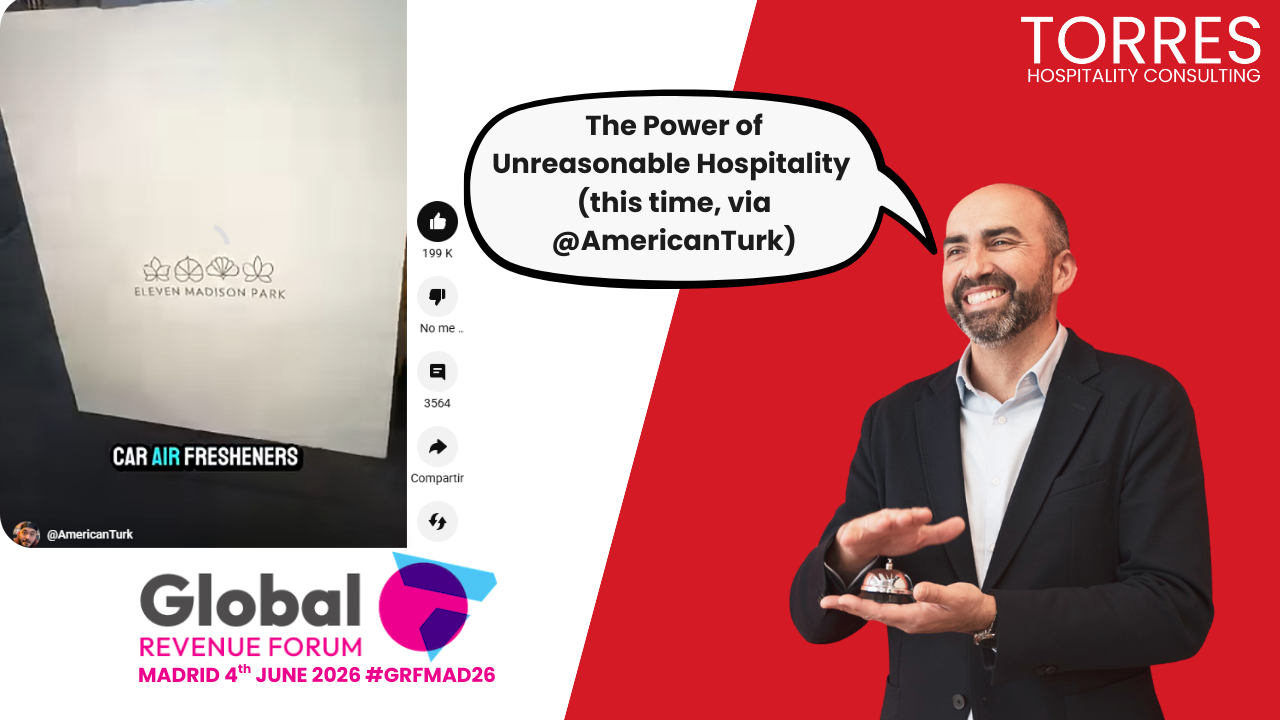
Unreasonable hospitality is a philosophy that moves beyond mere efficiency to create emotionally resonant moments that guests remember for a lifetime. Using the viral story of a cab driver at Eleven Madison Park as a prime example, this article explores how responding to small, personal details can be more impactful than grand, generic gestures. For hotel operators, this approach is both emotionally and commercially strategic; when guests feel seen, they are more likely to engage with ancillary services and develop long-term loyalty. By empowering teams to act on guest data in real time and prioritizing "relevance" over "standard excellence," hotels can turn routine stays into unforgettable stories that drive both reputation and revenue.
Jocko Willink’s principles of detachment and default aggressive provide a tactical masterclass for the hospitality industry where emotional pressure often dictates decision making. This article explores how hotel managers and revenue leaders can transition from reactive chaos to strategic command by stepping back to observe the full operational landscape. By mastering emotional discipline while handling guest friction, analyzing complex KPIs, or leading teams through crisis, hospitality professionals can replace impulsive reactions with precise and purposeful action. Ultimately, leading with calm detachment is the key to maintaining clarity, retaining talent, and driving long term profitability in a high stakes environment.
Emma Grede’s journey as a powerhouse in entrepreneurship offers a transformative blueprint for hospitality leaders looking to show up with intention. This article draws clear parallels between her uncompromising clarity of values and the need for hoteliers to break through the "sea of sameness" by claiming their specific stories and expertise. By building in public, choosing authenticity over perfection, and prioritizing community engagement over vanity metrics, professionals can turn their personal brands from masks into mirrors, ensuring they are not just visible, but truly valued and focused on legacy.
In an industry obsessed with data, systems, and forecasting accuracy, this article explores dopamine as a powerful, often overlooked, driver of performance in revenue management. Drawing on insights from neuroscientist TJ Power, it explains how motivation is built through effort, focus, and clarity of pursuit rather than comfort or overstimulation. By structuring work around challenging tasks, deep focus, intentional rest, and meaningful goals, revenue professionals can enhance creativity, consistency, and resilience. In a volatile market, understanding and managing our neurobiology is not a wellness trend, it’s a strategic advantage.
In a discipline dominated by data, KPIs, and forecasting accuracy, this article argues that the next competitive advantage in revenue management may lie in emotional intelligence. Inspired by insights from executive coach Joe Hudson, it explores how unconscious emotions like fear, ego, and scarcity thinking can quietly undermine pricing, forecasting, and strategic decisions. By cultivating emotional awareness, purpose-driven motivation, and a mindset of abundance, revenue leaders can make clearer decisions, lead more effectively, and find greater fulfillment in their roles. In an increasingly automated hospitality landscape, emotional maturity is not a soft skill, it is a strategic asset that drives sustainable revenue growth.
Working in hospitality can be deeply rewarding and emotionally demanding, often leading professionals to question their sense of purpose. Inspired by the insights of clinical psychologist Dr. Julie Smith, this article explores how purpose in hospitality isn’t found through dramatic change, but built gradually through awareness, values, and meaningful service. By reframing daily work as a craft, aligning actions with personal values, and recognising the impact of small moments, hospitality professionals can reconnect with a deeper sense of meaning. In an industry rooted in care and human connection, purpose is often already present, waiting to be noticed.
Professor Steve Peters’ insights offer a powerful blueprint for hospitality professionals who want to perform at their best without burning out. High performance isn’t about hustle, perfection, or suppressing emotions, it’s about learning to manage your mind. By understanding emotional reactions, upgrading limiting beliefs, and building stable mental habits, professionals can respond calmly under pressure and lead more effectively. The top performers rely on consistency, clear values, and simple systems rather than motivation alone. In hospitality, sustainable success comes from emotional self-regulation, self-awareness, and treating the mind as a core performance asset, not an afterthought.

A recent article in El Confidencial explores the rapid rise of “coffee parties” and the concurrent decline of traditional nightlife in Spain. While it may appear like a fleeting trend, the underlying patterns suggest a profound cultural and behavioural transformation. One that could reshape urban entertainment and hospitality models across multiple markets.
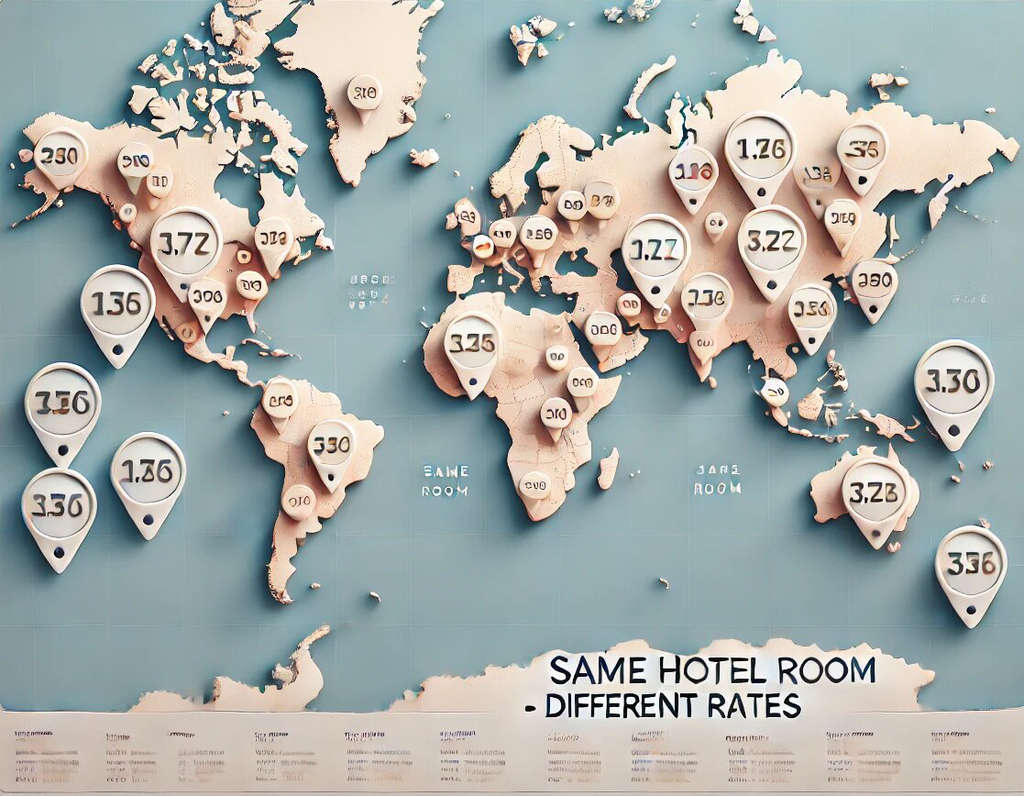
geobased pricing sparks heated debate in hospitality—are location surcharges smart or shady?
experts weigh in on stark ota rate gaps—san francisco guests paying up to $500 more per night.
some argue it’s savvy segmentation, others warn of eroded trust and brand damage.
learn why ai-driven one-to-one pricing could replace blunt geo tactics.
dive into the full discussion and decide if geopricing belongs in your revenue playbook.

Diversifying distribution channels is vital for profitability and brand power.
Otas boost visibility but high commissions erode margins and guest data.
Direct bookings offer upsell, cross-sell, loyalty and lower acquisition costs.
Nurture direct channels with marketing, loyalty programs and personalization.
Strike the right balance: use otas for reach, direct for long-term success.
See why location-based pricing fits right into classic segmentation strategies.
By tuning rates to local purchasing power, you match demand elasticity perfectly.
affluent markets can support premium pricing, while competitive rates boost weaker regions.
with clear communication and added perks, you avoid fairness concerns.
leveraging analytics and tech ensures a seamless, customer-friendly rollout.
Last-minute discounts can fill empty rooms but erode guest trust.
savvy consumers notice last-minute slashes and push you toward otas.
relying on heavy discounts hurts loyalty and punishes early bookers.
better to offer bundles, flexible bookings and value-added perks.
discover smarter strategies that boost revenue without devaluing your brand.
There was a recent discussion on LinkedIn about the need for maintaining rate parity in hospitality and its implications. Just to clarify for the non-revenue management […]
AI is transforming revenue management from number-crunching to strategic oversight.
ChatGPT itself admits it can’t fully replace human intuition or crisis leadership.
Soon, revenue managers will shift from manual tasks to defining and supervising AI-driven strategies.
this paradigm—machines handling mental labor—demands we embrace AI to stay competitive.
discover why mastering AI collaboration is your ticket to leading the next era of hospitality.
Wellness tourism set to hit $2.1 trillion by 2030—don’t miss this trend.
Hotels from Hilton to IHG are making wellness a core offering.
Spas can boost total revpar by over 50% when treated as profit centers.
Tech now makes spa revenue management a must, not just a luxury extra.
Read full insights and learn the revpath metric to track spa profitability.
Hospitality tech has exploded since the pandemic, reshaping roles without replacing them.
Tool overload can overwhelm hoteliers, especially independents without dedicated IT support.
Niche solutions often struggle to integrate, leaving holes in the guest’s journey.
Machine learning powers everything from revenue forecasts to itinerary planning.
Choosing the right tech—based on needs, not price tag—is the true game-changer.
2023 brings a more discerning European traveler—shorter stays and budget-conscious choices.
Asian markets, especially China, will surge as pent-up demand meets high spending power.
“Old school is the new new school” as proven tactics meet post-pandemic innovation.
my top resolution: supercharge ancillary revenue with fresh bundles and upsells.
discover how to navigate this VUCA world and drive total revenue management.
ocasional ota group bookings slip under the radar as multiple individual reservations.
this practice bypasses your group policies on deposits, restrictions and cancellations.
should you enforce stricter ota rules for stays of xx rooms or more?
remember, otas drive massive traffic that independents can’t match alone.
use their reach wisely—then convert those guests to loyal direct bookers.
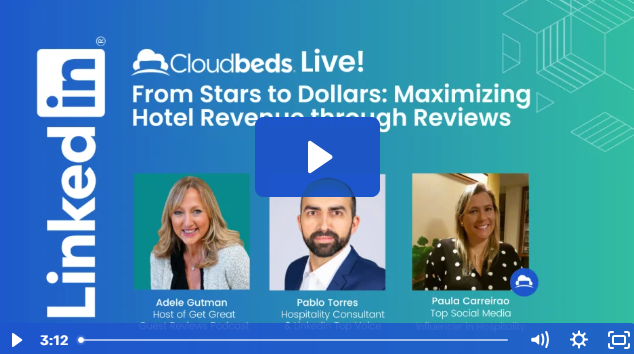
Online reviews now rule pricing—your reputation drives rate power.
studies show a one-point rise in review scores can boost prices by over 11%.
negative reviews? don’t slash rates—fix the issues and keep prices steady.
use reputation data alongside competitor and demand insights for “reputation pricing.”
integrate reputation tools with your RMS to track feedback and update rates seamlessly.
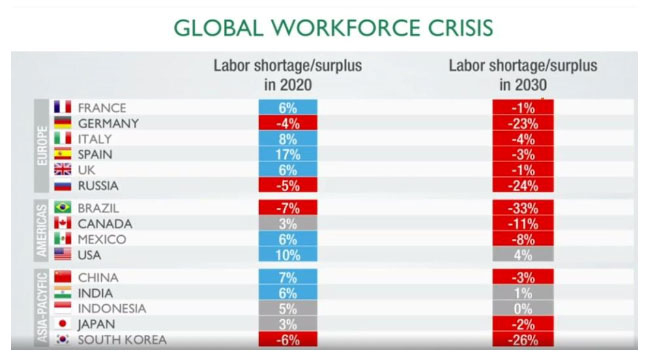
Hospitality faces a talent crunch after the great resignation shook up expectations.
today’s workforce values feeling appreciated, strong team bonds and true work–life balance.
offering flexible schedules, honest coffee-chats and on-site housing can win back staff.
cultivate a positive culture—ditch burned-out kitchens and embrace real conversations.
adapt now or miss out on 2023’s tourism boom—your team is your greatest asset.