consulting
Categories:
- Turismo
- Tecnología de viajes
- capacitación
- Tecnología
- equipo
- Talento
- Talento
- ventas
- ganancia
- Opinión
- Noticias
- marketing
- Libro
- líder
- Hotel
- Foro Global de Ingresos de Madrid
- PENSIÓN COMPLETA
- Entrevista
- Encuentros
- desarrollo
- DESTACADOS
- debate. talento
- Debate
- Cocina y bebidas
- Ideas creativas
- consultante
- libro
- ingresos auxiliares
- auxiliar
- Alicante
- alojamiento
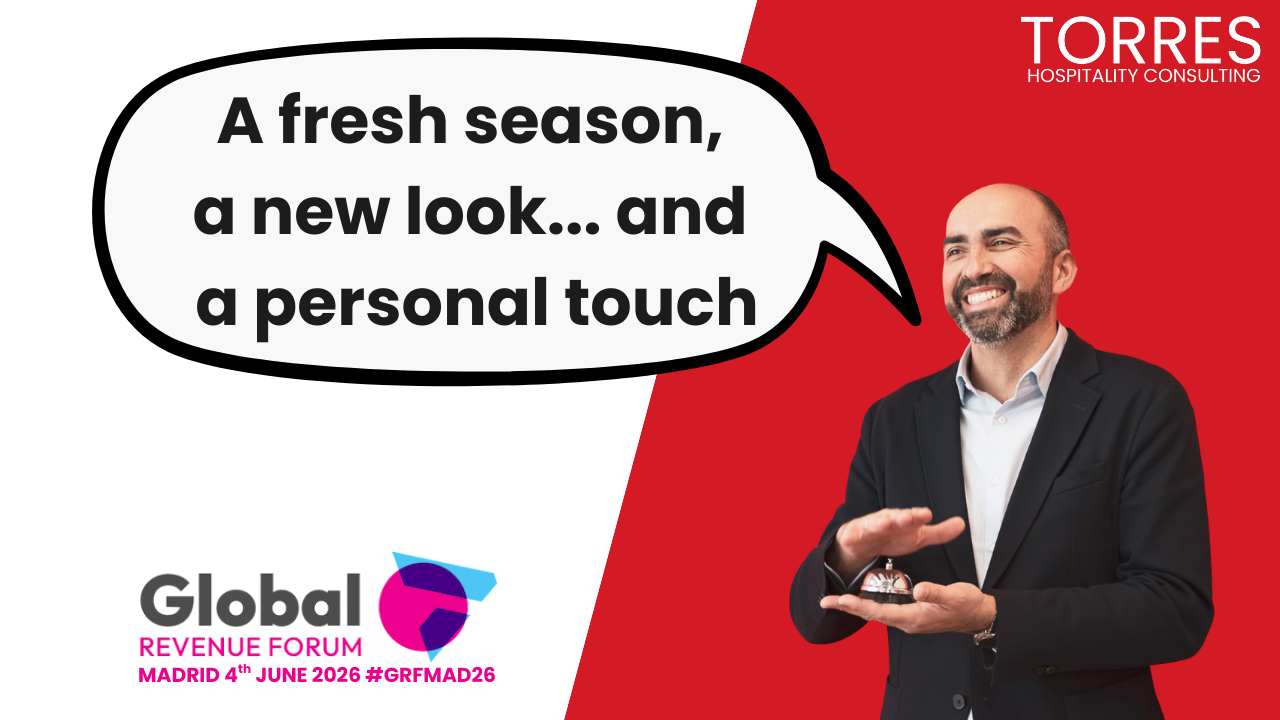
This edition marks a strategic turning point for Hospi•Tech•lity as it transitions toward a more personal and practical approach focused on day to day hospitality strategy. Highlighting the launch of the new Torres Hospitality Consulting website, the update reaffirms a commitment to delivering sharp business ideas with real impact on ancillary revenue and cross departmental alignment. With a focus on the upcoming Global Revenue Forum Madrid 2026, the newsletter invites professionals to move beyond theory and embrace a collaborative journey centered on modern KPIs and future focused commercial performance.

Coliving and flexliving shake up the old hotel model in exciting new ways.
urban nomads find home, office and community all in one place.
shared kitchens, smart tech and flexible leases turn stays into experiences.
these trends proved their strength by adapting faster than hotels during the pandemic.
ready to explore a lodging revolution where you live, work and connect seamlessly?
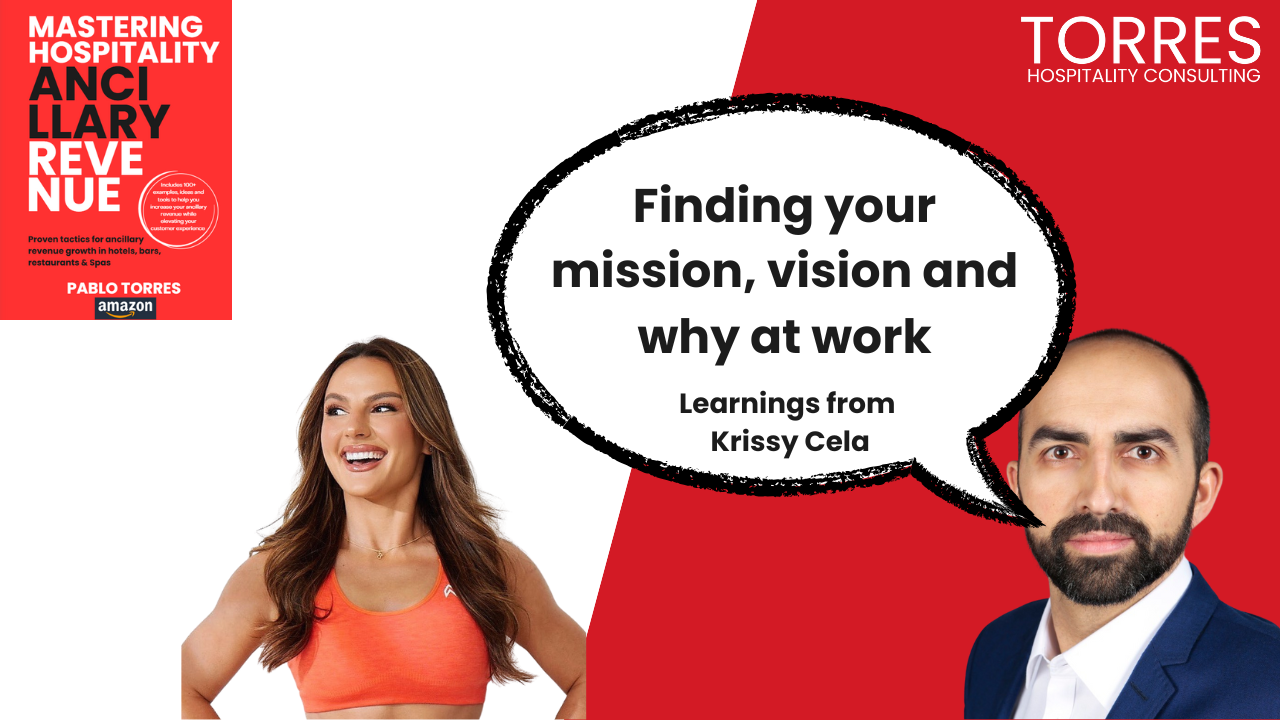
James Hoffmann’s journey offers a powerful blueprint for hospitality professionals who aspire to build meaningful, sustainable businesses. His success wasn’t about perfection or fame—it was rooted in deep curiosity, a willingness to learn, and a commitment to working smart, not hard. By immersing yourself in your current role, making yourself visible, collaborating with others, and avoiding burnout, you can lay the groundwork for a venture that lasts. True success comes from solving real problems, building systems that scale, and having a clear purpose beyond profit. In hospitality, lasting impact comes not from hustle, but from passion, strategy, and sustainability.
James Hoffmann’s journey—from a casino croupier to world barista champion and successful coffee entrepreneur—serves as a powerful example for hospitality professionals dreaming of launching their own ventures. His story highlights the importance of starting with curiosity, learning continuously, building visibility, partnering wisely, avoiding burnout, solving real problems, and staying grounded in purpose. True success doesn’t come from overwork or following a rigid startup formula, but from combining passion, strategy, and sustainability to create a business that is meaningful, impactful, and built to last.
The main idea is that in hospitality, true revenue growth—especially in ancillary services—comes not from nonstop hustle, but from intentional, focused, and thoughtful actions that create meaningful guest experiences and empower teams to work with purpose, not pressure.
In hospitality, growing ancillary revenue isn’t just about pricing or sales tactics—it’s about building team confidence. Many missed upsell opportunities stem from self-doubt, not lack of strategy. By shifting mindsets, empowering staff to believe in the value they offer, and creating safe spaces to practice and grow, hotels can transform internal confidence into external revenue. Confidence sells—silence doesn’t.
In the pursuit of higher ancillary revenue, hotels often overlook a critical factor: focus. Drawing from Nir Eyal’s concept of being “indistractable,” the article argues that distraction—caused by constant interruptions and reactive work—undermines strategic thinking and execution. By creating a culture of intentionality, time-blocking key revenue tasks, and protecting mental space for creativity, hotels can unlock untapped profitability. The true competitive advantage isn’t more resources—it’s focused attention.

True revenue growth in hospitality doesn’t begin with tactics or tools—it starts with mindset. Drawing on Dr. Joe Dispenza’s research, the text argues that subconscious beliefs and emotional alignment directly influence staff behavior and performance. By reshaping limiting narratives, connecting KPIs to meaning, coaching identity, and prioritizing emotional well-being, hotels can drive more powerful and sustainable results. The next evolution of hospitality success comes not just from operational excellence, but from transforming how teams think, feel, and lead—from the inside out.

In hospitality, communication is one of the most powerful yet overlooked drivers of ancillary revenue. Beyond scripts and pricing, it's how staff present, pitch, and emotionally connect with guests that influences spending decisions. By training teams to communicate with confidence, warmth, and storytelling, hotels can transform everyday interactions into revenue-generating moments—unlocking value not by changing the offer, but by changing how it’s delivered.

Upselling and cross-selling in hospitality are most successful when delivered with confidence and charisma, transforming sales into personalized, value-driven guest experiences. Rather than pushing products, staff should view selling as a service—offering enhancements that genuinely improve the guest’s stay. By using warm, enthusiastic communication and tailored recommendations, hotels can build trust, increase guest satisfaction, and drive significant ancillary revenue.
In hospitality, effective communication—especially through body language and non-verbal cues—is a powerful yet underutilized tool for enhancing guest experiences and driving ancillary revenue. By training staff to convey warmth, confidence, and personalization through posture, tone, facial expressions, and intentional gestures, hotels can turn everyday interactions into meaningful upselling opportunities that feel natural and guest-centric, ultimately boosting satisfaction and revenue across departments.

Upselling in hospitality is most effective when it taps into guest psychology—specifically using FOMO, exclusivity, and scarcity to create urgency, increase perceived value, and drive action. By framing offers as unique, limited, and highly desirable, hotels can enhance guest experiences and increase ancillary revenue in a way that feels personal and compelling rather than pushy.
Applying Rory Sutherland’s behavioral science principles to hospitality reveals that increasing ancillary revenue is less about discounts and more about perception, emotion, and experience. By focusing on psychological triggers like FOMO, exclusivity, surprise, and perceived value, and by removing friction from the guest journey, hotels can reframe offers as emotionally compelling experiences. This approach not only drives higher conversion and guest satisfaction, but also builds long-term loyalty and revenue without lowering prices.
Applying Alex Hormozi’s business growth principles to hotel direct sales can significantly boost revenue by focusing on visibility, clarity, social proof, personalization, and consistent execution. Instead of relying solely on pricing or OTA strategies, hotels can increase conversions and guest engagement by simplifying offers, showcasing real guest experiences, tailoring promotions, capturing attention quickly, and training teams to confidently handle upsells and rejections. With the right mindset and tools, direct sales can become a sustainable and powerful revenue engine.

Hyper-personalization, powered by real-time data and AI, is set to transform hospitality in 2025 by enabling tailored guest experiences that boost satisfaction, loyalty, and revenue. By leveraging guest insights to deliver customized services, targeted upsells, and dynamic pricing, hotels can drive ancillary income and operational efficiency. Embracing this trend is essential for staying competitive and unlocking long-term growth—something that will be at the heart of discussions during the upcoming Global Revenue Forum – Madrid, on June 4, 2025.
Maximizing ancillary revenue in hospitality depends on empowering staff—not just through training, but by fostering a guest-centric culture built on empathy, product knowledge, motivation, and technology. By equipping employees to recognize and act on personalized upselling opportunities with confidence and authenticity, hotels can enhance guest satisfaction while driving revenue. Investing in continuous learning, cross-department collaboration, and meaningful incentives turns team members into engaged brand ambassadors and key revenue contributors.
Effectively marketing ancillary services in hospitality requires a proactive, multi-channel approach that combines digital visibility, in-house engagement, strategic partnerships, and psychological pricing. By leveraging tools like social media, email segmentation, influencer collaborations, and real-time guest feedback, hotels can turn overlooked offerings into key revenue drivers—enhancing guest experience while maximizing profitability.
In hospitality, a guest-centric approach—driven by personalization, proactive engagement, emotional connection, and data insights—unlocks significant ancillary revenue potential. By anticipating guest needs and seamlessly integrating tailored offerings throughout the entire guest journey, hotels can enhance satisfaction, increase spend, and foster long-term loyalty, turning exceptional service into lasting profitability.
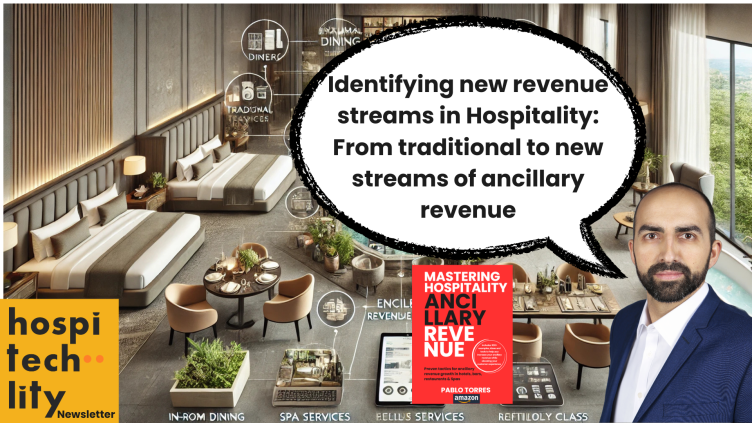
As the hospitality industry evolves, optimizing ancillary revenue—through both traditional services like spa treatments and in-room dining, and emerging streams like wellness programs, sustainable tourism, and retail—has become vital for profitability and guest satisfaction. By embracing personalization, leveraging guest data, adopting creative marketing, and continually refining offers based on performance and trends, hotels can deliver memorable guest experiences while unlocking significant revenue growth.

To maximize ancillary revenue, hotels must adopt strategic and personalized marketing approaches that go beyond traditional tactics. By leveraging social media, influencer partnerships, user-generated content, email marketing, and tailored promotions, hotels can effectively showcase unique experiences like spa treatments, local tours, and exclusive dining. These creative efforts not only enhance guest engagement and satisfaction but also drive meaningful revenue growth by positioning the hotel as a destination for more than just a place to stay.
Maximizing ancillary revenue in hospitality involves more than offering additional services—it requires a strategic, guest-centric approach that enhances the overall experience while increasing profitability. By leveraging data, personalization, innovative marketing, staff empowerment, and emerging trends like wellness and sustainability, hotels can unlock hidden revenue streams beyond room sales, strengthen guest loyalty, and gain a competitive edge in an evolving industry.
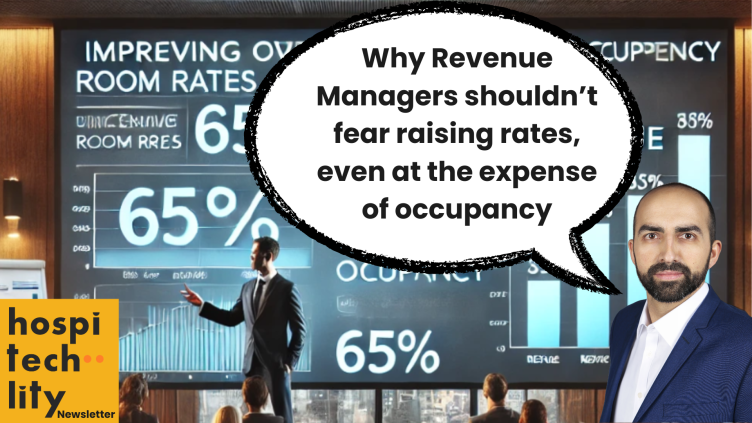
The belief that maximizing occupancy is the key to hotel success is outdated; instead, revenue managers should focus on strategic pricing to optimize revenue per available room (RevPAR) and overall profitability. By leveraging data-driven insights and modern revenue management systems, hotels can confidently increase average daily rates (ADR) without relying on full occupancy, attracting higher-value guests who spend more on ancillary services. This shift from occupancy-centric thinking to profit-oriented strategy is essential for long-term success in a competitive hospitality market.
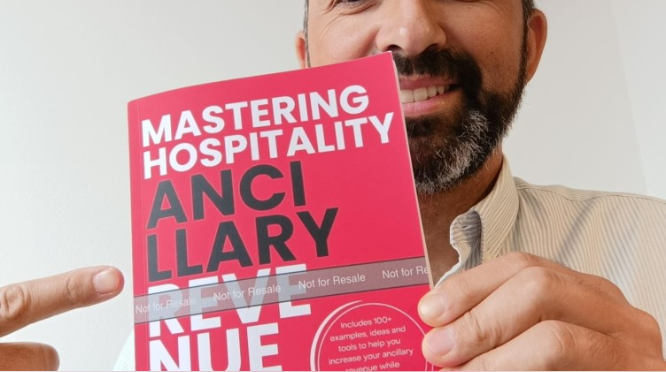
Mastering Hospitality Ancillary Revenue is a practical guide designed to help hospitality professionals unlock new revenue streams beyond room sales. Drawing from over 20 years of industry experience, the book offers actionable strategies across 10 chapters—covering technology, personalization, staff training, marketing, and guest experience—to help hotels, restaurants, spas, and bars optimize profitability through effective ancillary revenue management.
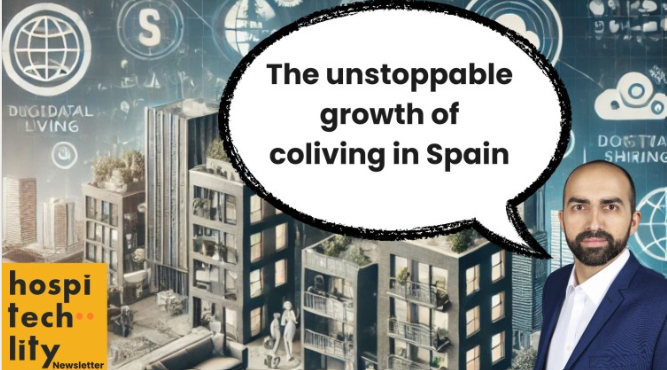
Coliving has evolved into a mainstream housing solution in Spain, driven by rising housing costs, remote work, and a growing demand for community-oriented living. Offering private rooms with shared communal spaces, coliving appeals to young professionals, digital nomads, and single-person households seeking affordability and flexibility. Major cities like Madrid and Barcelona have become hotspots for coliving developments, supported by increasing investment and a focus on well-being and sustainability. Despite regulatory challenges, coliving continues to grow, redefining urban living by blending economic practicality with social connection.