CONTENIDO | NEWSLETTER
Categories:
- Turismo
- Tecnología de viajes
- capacitación
- Tecnología
- equipo
- Talento
- Talento
- ventas
- ganancia
- Opinión
- Noticias
- marketing
- Libro
- líder
- Hotel
- Foro Global de Ingresos de Madrid
- PENSIÓN COMPLETA
- Entrevista
- Encuentros
- desarrollo
- DESTACADOS
- debate. talento
- Debate
- Cocina y bebidas
- Ideas creativas
- consultante
- libro
- ingresos auxiliares
- auxiliar
- Alicante
- alojamiento

Maximizing ancillary revenue in hospitality involves more than offering additional services—it requires a strategic, guest-centric approach that enhances the overall experience while increasing profitability. By leveraging data, personalization, innovative marketing, staff empowerment, and emerging trends like wellness and sustainability, hotels can unlock hidden revenue streams beyond room sales, strengthen guest loyalty, and gain a competitive edge in an evolving industry.
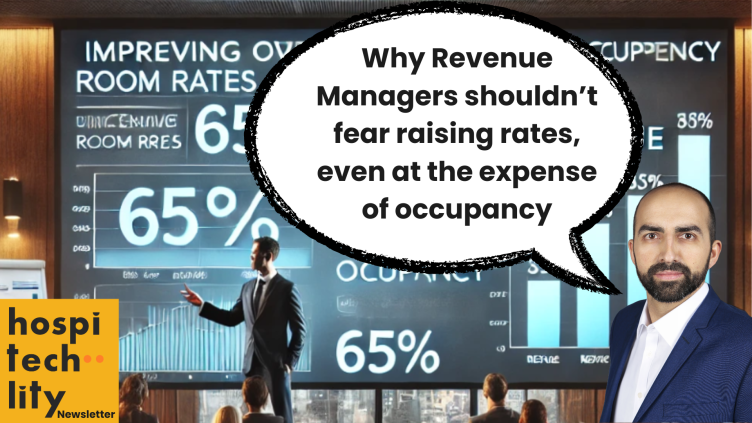
The belief that maximizing occupancy is the key to hotel success is outdated; instead, revenue managers should focus on strategic pricing to optimize revenue per available room (RevPAR) and overall profitability. By leveraging data-driven insights and modern revenue management systems, hotels can confidently increase average daily rates (ADR) without relying on full occupancy, attracting higher-value guests who spend more on ancillary services. This shift from occupancy-centric thinking to profit-oriented strategy is essential for long-term success in a competitive hospitality market.

Los avances tecnológicos han hecho que sea muy fácil ofrecer servicios complementarios y brindar experiencias sin interrupciones centradas en el móvil.
Integrar herramientas de upselling en sitios web y apps para sugerir mejoras de habitación, tratamientos de spa o recorridos locales es ahora sencillo.
Las aerolíneas ganaron más de 109.500 millones de dólares en ingresos complementarios en 2022, lo que muestra el enorme potencial de esta estrategia.
Alimentos y bebidas, salud y bienestar y experiencias locales son áreas particularmente lucrativas para los hoteles.
Para Pablo torres, una de las herramientas más poderosas es el uso de datos para crear ofertas hiperpersonalizadas según las preferencias de cada huésped.
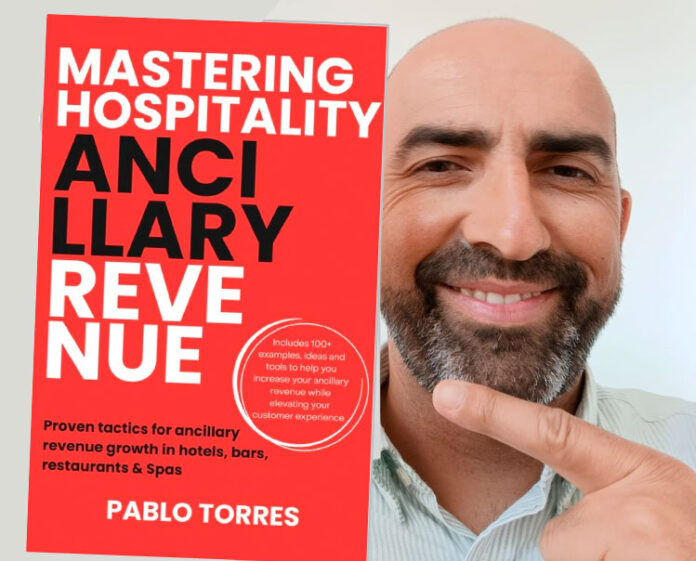
Descubre el nuevo libro de Pablo Torres y expertos sobre ingresos adicionales en hoteles y más.
aprende tácticas prácticas con más de 100 casos reales que transformarán tu estrategia.
desde ia y automatización hasta experiencias personalizadas basadas en datos.
ideal para revenue managers, gerentes y emprendedores que buscan crecer.
sumérgete en esta guía de 5 estrellas y revoluciona tu negocio hospitality.
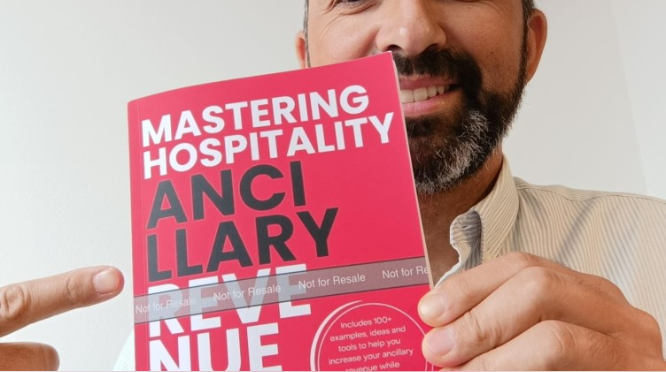
Mastering Hospitality Ancillary Revenue is a practical guide designed to help hospitality professionals unlock new revenue streams beyond room sales. Drawing from over 20 years of industry experience, the book offers actionable strategies across 10 chapters—covering technology, personalization, staff training, marketing, and guest experience—to help hotels, restaurants, spas, and bars optimize profitability through effective ancillary revenue management.
Coliving has evolved into a mainstream housing solution in Spain, driven by rising housing costs, remote work, and a growing demand for community-oriented living. Offering private rooms with shared communal spaces, coliving appeals to young professionals, digital nomads, and single-person households seeking affordability and flexibility. Major cities like Madrid and Barcelona have become hotspots for coliving developments, supported by increasing investment and a focus on well-being and sustainability. Despite regulatory challenges, coliving continues to grow, redefining urban living by blending economic practicality with social connection.
As home technology surpasses what most hotels can offer, the future of hospitality lies not in trying to outdo gadgets, but in delivering exceptional, personalized experiences. Hotels that focus on tailored service, meaningful interactions, and unique local offerings—rather than competing on tech—can create unforgettable stays that truly differentiate them from the convenience of home.
As the hospitality industry faces rising costs and evolving guest expectations, relying solely on traditional revenue sources like room sales is no longer sustainable. Ancillary revenue—generated through personalised services, tech-driven offerings, and strategic partnerships—has become essential for improving profitability, enhancing guest satisfaction, and driving long-term success. By leveraging guest data, embracing mobile technology, and creating tailored experiences, hotels can unlock new revenue streams, differentiate themselves in the market, and build a more resilient business model.

The hospitality industry can reduce the risks of innovation by adopting the Lean Startup methodology—focusing on rapid experimentation, data-driven decision-making, and guest-centric development. By testing new concepts through Minimum Viable Products (MVPs), gathering feedback via the Build-Measure-Learn loop, and adapting offerings based on real guest insights, hotels can create meaningful, scalable innovations. This approach transforms experimentation into a strategic asset, enabling continuous improvement and positioning hospitality brands as agile, forward-thinking leaders in an ever-evolving market.

Malcolm Gladwell’s Outliers offers a compelling framework for innovation in hospitality by emphasizing deliberate practice, seizing opportunity, and leveraging networks. Hospitality leaders can cultivate “outlier” projects by fostering cross-departmental expertise, encouraging calculated risk-taking, and embracing adaptability. By creating innovation labs, forming strategic partnerships, using data to drive decisions, and inspiring a team culture that values experimentation and continuous learning, hotels can launch scalable, guest-centric innovations. Ultimately, this outlier mindset transforms hospitality companies into industry leaders, redefining the travel experience through breakthrough projects that set new standards.
Manuel J. Smith’s When I Say No, I Feel Guilty offers practical tools for assertiveness that are especially valuable in the hospitality industry, where employees often face pressure to meet every guest demand. By teaching staff how to express themselves honestly, set boundaries, and handle criticism constructively, hotels and hospitality businesses can foster healthier communication, prevent burnout, and maintain service quality. Implementing assertiveness training empowers employees to protect their well-being while still delivering respectful, high-quality service—leading to a more resilient, confident workforce and a more sustainable guest experience.
Robert Cialdini’s Influence: The Psychology of Persuasion offers hoteliers a powerful framework to deepen guest loyalty by leveraging psychological triggers. By applying principles like reciprocity (offering thoughtful perks), scarcity (creating exclusive offers), authority (building trust through endorsements), liking (personalizing service), social proof (showcasing positive guest experiences), and commitment (designing reward programs), hotels can move beyond transactional relationships. These strategies help create emotionally resonant, persuasive experiences that nudge guests toward repeat visits and word-of-mouth advocacy—transforming loyal guests into enthusiastic brand ambassadors.

Stephen Covey’s The 7 Habits of Highly Effective People provides a transformative framework for hoteliers aiming to deepen guest loyalty and elevate service quality. By proactively managing the guest experience, defining a clear guest journey, and prioritizing people over tasks, hotels can deliver consistently memorable stays. Embracing win-win thinking, active listening, cross-department collaboration, and continuous staff development fosters a culture that puts guests first. These timeless habits help build trust, exceed expectations, and convert guests into loyal advocates—crucial in a competitive landscape where personalized service and reputation drive repeat business and referrals.
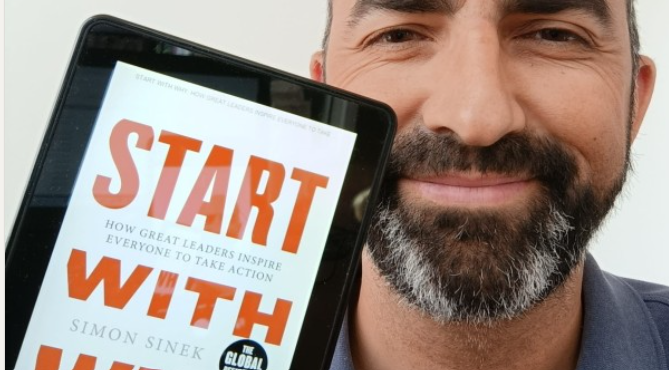
Simon Sinek’s Start with Why offers hospitality leaders a compelling roadmap to go beyond transactional service by rooting every aspect of their brand in a clear, purpose-driven “why.” In today’s saturated market, true differentiation lies in forging emotional connections—whether through sustainable practices, cultural immersion, or creating lasting memories. By aligning staff, guest experiences, and marketing around a shared belief, hoteliers can build deeper trust, inspire loyalty, and cultivate brand advocates. In short, hotels that lead with purpose don’t just host guests—they create meaning, transforming a stay into a story worth sharing.
There was a recent discussion on LinkedIn about the need for maintaining rate parity in hospitality and its implications. Just to clarify for the non-revenue management […]

Daniel Kahneman’s Thinking, Fast and Slow provides hospitality professionals with a powerful lens to decode guest decision-making by recognizing the interplay between intuitive (System 1) and rational (System 2) thinking. By applying behavioral principles like framing, anchoring, loss aversion, and the endowment effect, hoteliers can subtly influence choices that enhance ancillary revenue—such as presenting bundled spa offers, using scarcity to trigger urgency, or personalizing upgrades. Ultimately, integrating these psychological insights allows hoteliers to align emotional and logical guest motivations, leading to smarter revenue strategies and more meaningful guest experiences.

Dale Carnegie’s timeless principles from How to Win Friends and Influence People offer powerful guidance for the hospitality industry by emphasizing the importance of genuine human connection—through warm first impressions, active listening, personalized service, and sincere appreciation—to enhance guest satisfaction, build loyalty, and drive repeat business in a competitive market.

Robert Greene’s The 48 Laws of Power offers strategic insights that, when ethically applied, can enhance leadership, influence, and operational success in the hospitality industry by helping managers build authority, motivate teams, personalize guest experiences, and navigate competitive challenges—all while balancing power dynamics with integrity to foster trust, improve service quality, and drive long-term success.
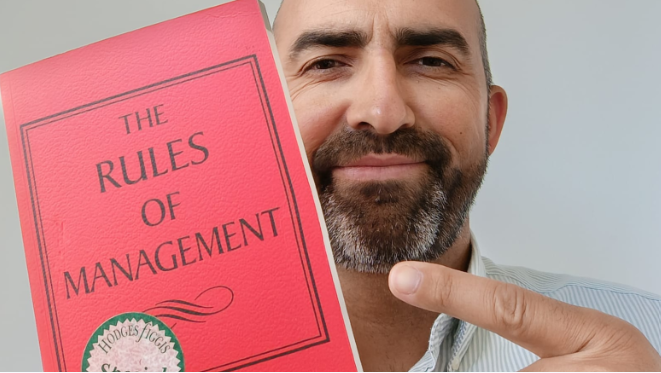
Richard Templar’s The Rules of Management provides a practical framework for hospitality managers, emphasizing clear communication, timely decision-making, team empowerment, proactive leadership, and continuous learning—all essential for fostering a motivated workforce, delivering consistent guest satisfaction, and achieving long-term organizational success in a dynamic and service-driven industry.

David Cottrell’s Monday Morning Leadership offers practical leadership lessons—centered on mentorship, communication, accountability, and a results-driven mindset—that are highly applicable to the hospitality industry; by fostering a culture of continuous learning, clear expectations, and positive team engagement, hospitality leaders can enhance employee performance, boost guest satisfaction, and build stronger, more resilient teams.

The Harvard Business Review Manager’s Handbook offers a practical and adaptable framework that equips hospitality managers with essential leadership, strategic thinking, decision-making, and people management skills. By applying its core principles—such as clear communication, effective problem-solving, team motivation, and continuous learning—hospitality leaders can navigate the fast-paced, guest-centric environment more effectively, foster high-performing teams, and consistently deliver exceptional service that drives long-term organizational success.
Michael Porter's Competitive Advantage provides a powerful framework for hospitality businesses to achieve and sustain superior performance by focusing on strategic positioning, understanding competitive forces through the Five Forces model, and choosing between cost leadership or differentiation strategies. By optimizing every part of the value chain—from operations to customer service—and developing unique, hard-to-replicate capabilities such as brand strength, staff excellence, and technological innovation, hospitality leaders can build a lasting edge that drives guest loyalty, profitability, and long-term success.
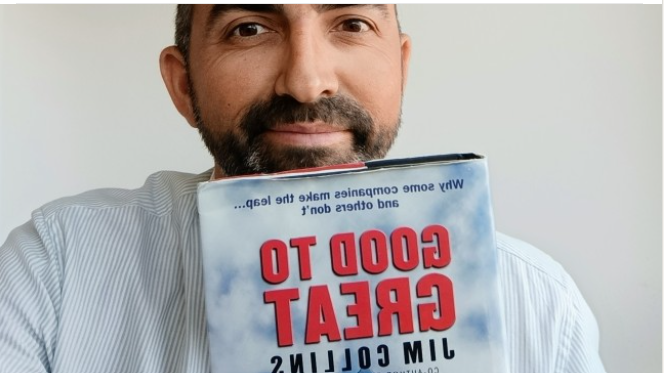
Jim Collins' Good to Great offers timeless principles that hospitality businesses can harness to elevate from merely good operations to truly exceptional ones. By identifying their Hedgehog Concept—where passion, excellence, and profitability intersect—hotels and hospitality brands can define a focused path to greatness. Cultivating Level 5 Leadership ensures that humble, yet fiercely committed leaders guide the organization with integrity and resilience. Through the Flywheel Effect, consistent and disciplined efforts across service, operations, and culture build unstoppable momentum. Most importantly, by putting the “right people on the bus” before strategy, hospitality organizations can adapt, thrive, and lead with a team aligned in vision and values—delivering guest experiences that inspire loyalty and distinction.
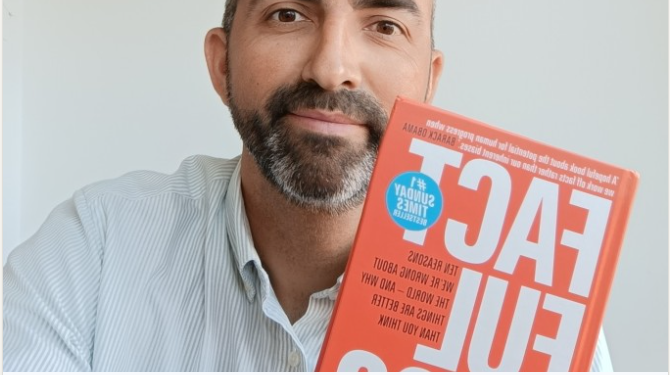
Hans Rosling’s Factfulness offers a powerful toolkit for hospitality leaders to challenge biases, think more clearly, and make better decisions. By addressing instincts like the fear of dramatic events, overreliance on negative feedback, or simplistic views of customer behavior, hospitality professionals can shift from reactive to strategic thinking. Embracing a fact-based mindset helps managers interpret data with context, navigate change more effectively, and foster innovation. In practice, this means valuing diverse perspectives, avoiding knee-jerk responses to isolated incidents, and making balanced, informed decisions. Ultimately, Factfulness empowers hospitality leaders to see the full picture—grounded in reality, driven by insight, and focused on long-term excellence.