

Opinión
Categories:
- Turismo
- Tecnología de viajes
- capacitación
- Tecnología
- equipo
- Talento
- Talento
- ventas
- ganancia
- Opinión
- Noticias
- marketing
- Libro
- líder
- Hotel
- Foro Global de Ingresos de Madrid
- PENSIÓN COMPLETA
- Entrevista
- Encuentros
- desarrollo
- DESTACADOS
- debate. talento
- Debate
- Cocina y bebidas
- Ideas creativas
- consultante
- libro
- ingresos auxiliares
- auxiliar
- Alicante
- alojamiento
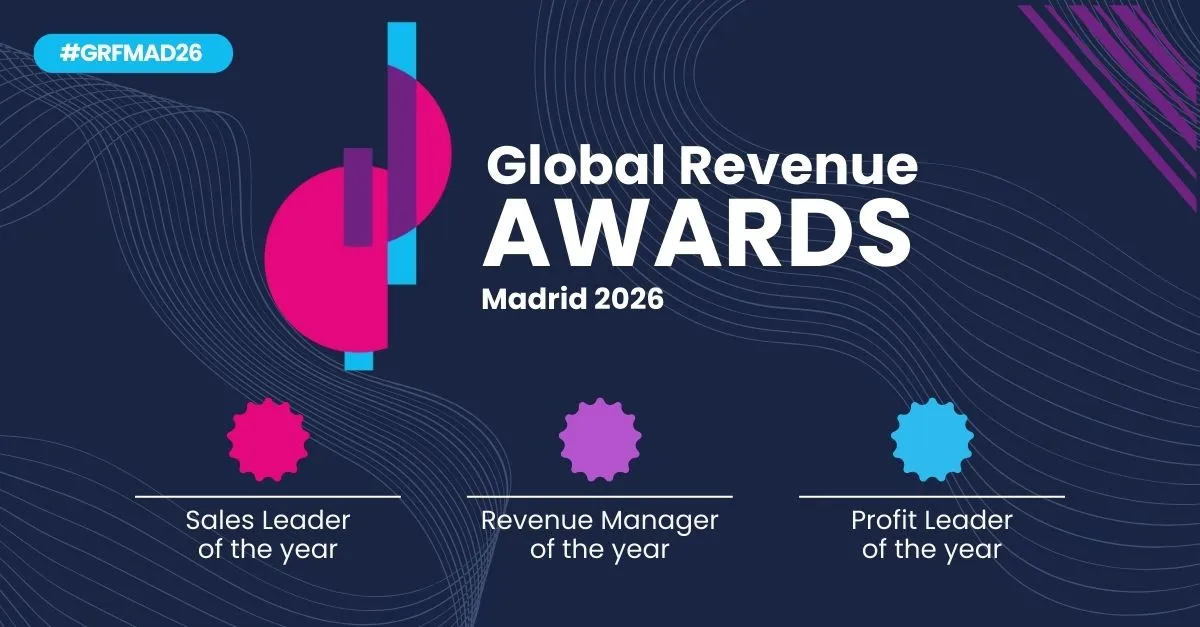
En el marco del Global Revenue Forum Madrid 2026 (#GRFMAD26), nacen los Global Revenue Awards, los primeros galardones en España dedicados exclusivamente a reconocer la excelencia y el liderazgo en el ámbito del Revenue Management hotelero. Organizados por Open Revenue Consulting y Torres Hospitality Consulting, estos premios buscan poner en valor a los profesionales que han transformado la gestión de ingresos en rentabilidad real. Las categorías premian desde la evolución profesional y el impacto tangible en el rendimiento del hotel, hasta el liderazgo comercial y financiero que impulsa resultados sostenibles, consolidando así el papel estratégico del revenue en la industria actual.

The hospitality industry is not facing a "lazy" workforce, but rather a "reward-design" problem exacerbated by a state of psychological "flatness" known as anhedonia. Research shows that young workers, particularly those under 25, are experiencing higher rates of burnout and lower reward motivation, leading them to choose low-effort options when the payoff feels uncertain. To combat this, hotel and restaurant operators must move away from "transactional" employment and redesign their "reward architecture." This involves making feedback cycles shorter (within 24 hours), increasing schedule predictability to reduce stress, and mapping out clear, tech-integrated growth paths. By making the effort-to-reward ratio visible and consistent, hospitality brands can re-engage a generation that seeks purpose and stability over mythical long-term career promises.
The viral success of "aspirational retail" spaces like Meadow Lane and Erewhon in New York serves as a blueprint for modern hotels to boost ancillary revenue through emotional demand. By shifting from a "rooms-first" mentality to an "experience-first" model, hotels can capture the growing demand for "clean dopamine"—the combination of wellness, aesthetics, and social connection. This strategy involves turning underutilized spaces into daylight destinations through local brand collaborations, influencer partnerships, and curated F&B offerings that prioritize storytelling over mere transactions. Ultimately, when hotels design for FOMO and fandom rather than just utility, they unlock high-frequency, high-margin revenue streams that extend far beyond the traditional guest stay.
The rise of "coffee parties" in Spain represents a structural shift in leisure, where younger generations are trading traditional nightclubs for early-morning events that blend exercise, specialty coffee, and social connection. Driven by a post-pandemic focus on wellness and "clean dopamine," these events offer a high-value, hangover-free alternative to the dark, alcohol-driven club scene. For hospitality professionals, this trend serves as a wake-up call to rethink experience design and ancillary revenue, moving away from late-night consumption toward curated daytime activities that align with the productivity and authenticity values of the 20 to 30 age demographic.
Small, unexpected gestures in hospitality—like providing a simple piece of candy with the bill—can have a disproportionate emotional and economic impact. Supported by behavioral science and the principle of reciprocity, these "micro-moments" create personal connections that traditional loyalty programs cannot match. By focusing on emotional real estate and memory optimization rather than just service efficiency, hotels and restaurants can significantly enhance guest perception and revenue. In an increasingly automated world, the strategic use of nostalgia and thoughtfulness remains a priceless tool for those in the business of creating lasting memories.

Using the "Local Legend" notification from the fitness app Strava as a metaphor, this article explores the power of gamification and real-time recognition in hospitality leadership. It argues that motivating teams doesn't require massive budgets or complex initiatives; instead, it relies on small, consistent nudges and the effective use of data already present in PMS and CRM systems. By tracking progress automatically, celebrating consistency over "flashy" peaks, and using subtle gamification, hotel managers can inspire their teams to go the extra mile. Ultimately, guest satisfaction is built on team motivation, and a well-timed, thoughtful message of recognition can be the most effective tool for driving both engagement and revenue.
Drawing inspiration from AT&T’s strategic pivot, this article argues that hospitality businesses clinging to legacy models are walking toward irrelevance. The shift from a culture of tenure to one of performance is essential for an industry that must move beyond being a mere utility. By embracing tech-forward mindsets and tracking modern metrics like TRevPAR and Customer Lifetime Value (LTV), hotels can transform their staff from service-only roles into strategic contributors. Ultimately, building a "results-driven" culture—where KPIs are everyone’s business—is the only way to evolve from room-night tracking to total revenue optimization and remain relevant in a hyper-competitive market.
Unreasonable hospitality is a philosophy that moves beyond mere efficiency to create emotionally resonant moments that guests remember for a lifetime. Using the viral story of a cab driver at Eleven Madison Park as a prime example, this article explores how responding to small, personal details can be more impactful than grand, generic gestures. For hotel operators, this approach is both emotionally and commercially strategic; when guests feel seen, they are more likely to engage with ancillary services and develop long-term loyalty. By empowering teams to act on guest data in real time and prioritizing "relevance" over "standard excellence," hotels can turn routine stays into unforgettable stories that drive both reputation and revenue.

The era of standardized hospitality is being replaced by a demand for meaning, emotion, and deep personalization. This article argues that being "vanilla" or neutral is no longer a safe business strategy but a risk that leads to low brand recall and price-driven competition. By moving toward micro-personalization and catering to specific niche desires—such as wellness rituals or pet-friendly amenities—hotels can transform from simple room providers into experience-driven revenue machines. Ultimately, standing out through emotional resonance and curated ancillary offerings is no longer optional; it is the only way to survive and thrive in a market where experience is the ultimate currency.
The debate over whether all-inclusive resorts should offer ancillary services often boils down to a choice between perceived greed and guest centricity. This article argues that offering extras is actually a form of smart optimization that adds depth to the guest experience through meaningful enhancements like private rituals or curated tours. By utilizing the golden window between booking and arrival and shifting metrics toward Total Revenue Per Guest, resorts can move beyond the limits of traditional RevPAR. Ultimately, when designed with empathy and proper timing, ancillaries are not about squeezing wallets but about providing choice and creating richer, more memorable stays.

Luxury hospitality pricing is often defined by the dramatic spread between entry level rooms and aspirational suites, a gap that serves as a strategic signal of brand strength and destination psychology. Using examples ranging from conservative 5x ratios to extreme 1000x spreads in Las Vegas, this article explores how pricing architecture functions as a "brand halo" to justify rates across all categories. By intentionally engineering these tiers, hotels can unlock higher upselling potential and create a clear narrative of exclusivity. Ultimately, a well structured pricing ladder is not just about numbers, it is a mirror reflecting a property’s revenue ambition and its ability to deliver extraordinary perceived value.
Ancillary revenue remains one of the greatest missed opportunities in the hospitality industry due to a lack of systematic analysis and strategic focus. This article highlights why properties must stop treating non-room revenue as a side hustle and instead manage it with the same KPIs and commercial rigor as traditional room sales. By shifting the focus from simply selling more to solving guest needs through empathy and data-driven insights, hotels can move toward a total revenue model. Ultimately, the future of the industry lies in integrating commercial thinking across all departments to ensure every guest interaction delivers both value and profit.
This edition marks a strategic turning point for Hospi•Tech•lity as it transitions toward a more personal and practical approach focused on day to day hospitality strategy. Highlighting the launch of the new Torres Hospitality Consulting website, the update reaffirms a commitment to delivering sharp business ideas with real impact on ancillary revenue and cross departmental alignment. With a focus on the upcoming Global Revenue Forum Madrid 2026, the newsletter invites professionals to move beyond theory and embrace a collaborative journey centered on modern KPIs and future focused commercial performance.
Naval Ravikant’s philosophy on wealth, leverage, and specific knowledge provides a powerful roadmap for hospitality professionals aiming to move beyond traditional roles. This article examines how the dual mastery of building systems and selling value makes a leader unstoppable in a siloed industry. By shifting from short term churn to long term games and utilizing leverage through media, code, and capital, leaders can stop trading time for impact. Ultimately, embracing one's authentic specific knowledge allows hospitality experts to escape competition and lead on their own terms, transforming from standard operators into irreplaceable industry voices.
Jocko Willink’s principles of detachment and default aggressive provide a tactical masterclass for the hospitality industry where emotional pressure often dictates decision making. This article explores how hotel managers and revenue leaders can transition from reactive chaos to strategic command by stepping back to observe the full operational landscape. By mastering emotional discipline while handling guest friction, analyzing complex KPIs, or leading teams through crisis, hospitality professionals can replace impulsive reactions with precise and purposeful action. Ultimately, leading with calm detachment is the key to maintaining clarity, retaining talent, and driving long term profitability in a high stakes environment.
Emma Grede’s journey as a powerhouse in entrepreneurship offers a transformative blueprint for hospitality leaders looking to show up with intention. This article draws clear parallels between her uncompromising clarity of values and the need for hoteliers to break through the "sea of sameness" by claiming their specific stories and expertise. By building in public, choosing authenticity over perfection, and prioritizing community engagement over vanity metrics, professionals can turn their personal brands from masks into mirrors, ensuring they are not just visible, but truly valued and focused on legacy.

Scooter Braun’s journey from meteoric success to personal collapse and conscious rebuild offers a powerful mirror for the hospitality industry. This article draws clear parallels between chasing validation through vanity metrics and building sustainable, purpose driven businesses. By looking inward, redefining success beyond RevPAR, and embracing a custodial mindset focused on guest experience, resilience, and holistic value creation, hospitality leaders can emerge stronger, more aligned, and ultimately more profitable. True recovery is not about returning to normal, but about rebuilding with clarity, harmony, and intention.

In a fast paced hospitality environment, hotel General Managers are increasingly discovering that sustainable performance comes from personal and team development, not just operational control. Drawing on coaching principles inspired by Simon Alexander Ong, this article explores how listening over telling, managing personal energy, and fostering self reflection can transform leadership effectiveness. By creating a coaching culture that empowers teams, improves engagement, and aligns daily actions with long term vision, GMs can elevate both hotel performance and their own fulfillment as leaders.

The role of a Hotel Commercial Director goes far beyond hitting revenue targets. Inspired by insights from a masterclass by Russell Brunson, this article explores how sustainable growth in hospitality comes from solving psychological bottlenecks before technical ones, designing clear value ladders, and building evergreen commercial systems. By structuring guest journeys intentionally, empowering teams through clear milestones, and creating autonomous revenue streams supported by data and SOPs, commercial leaders can scale without burnout. Purpose driven growth, aligned with guest value and team empowerment, becomes the true KPI for long term success.

Cliff Weitzman’s journey as the founder of Speechify offers powerful, practical lessons for hotel revenue managers seeking to improve performance and unlock ancillary revenue. His approach, rooted in obsessive measurement, fast learning, cross-functional collaboration, and relentless focus on user value, mirrors the mindset required to succeed in modern hospitality. By expanding the metrics we track, building aligned revenue “pods,” leveraging automation, and focusing on high-ROI actions, revenue leaders can move beyond room-centric thinking and become true commercial strategists. Sustainable revenue growth comes not from chasing benchmarks, but from designing systems that create value at every guest touchpoint.
In an industry obsessed with data, systems, and forecasting accuracy, this article explores dopamine as a powerful, often overlooked, driver of performance in revenue management. Drawing on insights from neuroscientist TJ Power, it explains how motivation is built through effort, focus, and clarity of pursuit rather than comfort or overstimulation. By structuring work around challenging tasks, deep focus, intentional rest, and meaningful goals, revenue professionals can enhance creativity, consistency, and resilience. In a volatile market, understanding and managing our neurobiology is not a wellness trend, it’s a strategic advantage.
In a discipline dominated by data, KPIs, and forecasting accuracy, this article argues that the next competitive advantage in revenue management may lie in emotional intelligence. Inspired by insights from executive coach Joe Hudson, it explores how unconscious emotions like fear, ego, and scarcity thinking can quietly undermine pricing, forecasting, and strategic decisions. By cultivating emotional awareness, purpose-driven motivation, and a mindset of abundance, revenue leaders can make clearer decisions, lead more effectively, and find greater fulfillment in their roles. In an increasingly automated hospitality landscape, emotional maturity is not a soft skill, it is a strategic asset that drives sustainable revenue growth.
Working in hospitality can be deeply rewarding and emotionally demanding, often leading professionals to question their sense of purpose. Inspired by the insights of clinical psychologist Dr. Julie Smith, this article explores how purpose in hospitality isn’t found through dramatic change, but built gradually through awareness, values, and meaningful service. By reframing daily work as a craft, aligning actions with personal values, and recognising the impact of small moments, hospitality professionals can reconnect with a deeper sense of meaning. In an industry rooted in care and human connection, purpose is often already present, waiting to be noticed.

A recent article in El Confidencial explores the rapid rise of “coffee parties” and the concurrent decline of traditional nightlife in Spain. While it may appear like a fleeting trend, the underlying patterns suggest a profound cultural and behavioural transformation. One that could reshape urban entertainment and hospitality models across multiple markets.