marketing
Categories:
- Turismo
- Tecnología de viajes
- capacitación
- Tecnología
- equipo
- Talento
- Talento
- ventas
- ganancia
- Opinión
- Noticias
- marketing
- Libro
- líder
- Hotel
- Foro Global de Ingresos de Madrid
- PENSIÓN COMPLETA
- Entrevista
- Encuentros
- desarrollo
- DESTACADOS
- debate. talento
- Debate
- Cocina y bebidas
- Ideas creativas
- consultante
- libro
- ingresos auxiliares
- auxiliar
- Alicante
- alojamiento

Google’s "Travel 2050" projections—forecasting a $4.2 trillion increase in spending and 70% of the population traveling—present a "complexity tax" for hoteliers. With rising acquisition costs and fragmented demand, profitability will depend on moving beyond occupancy and ADR to focus on high-margin ancillaries. In mature markets like Europe and the U.S., higher spend per trip and service conversion will be the primary margin protectors. Furthermore, the rise of "agentic AI" means that only hotels with structured, AI-ready data for their non-room services (spa, F&B, tours) will be visible in the next generation of automated booking. Success in 2026–2027 requires treating domestic travel as a recurrence platform and modernizing product taxonomies to "automate the logic and scale the magic."
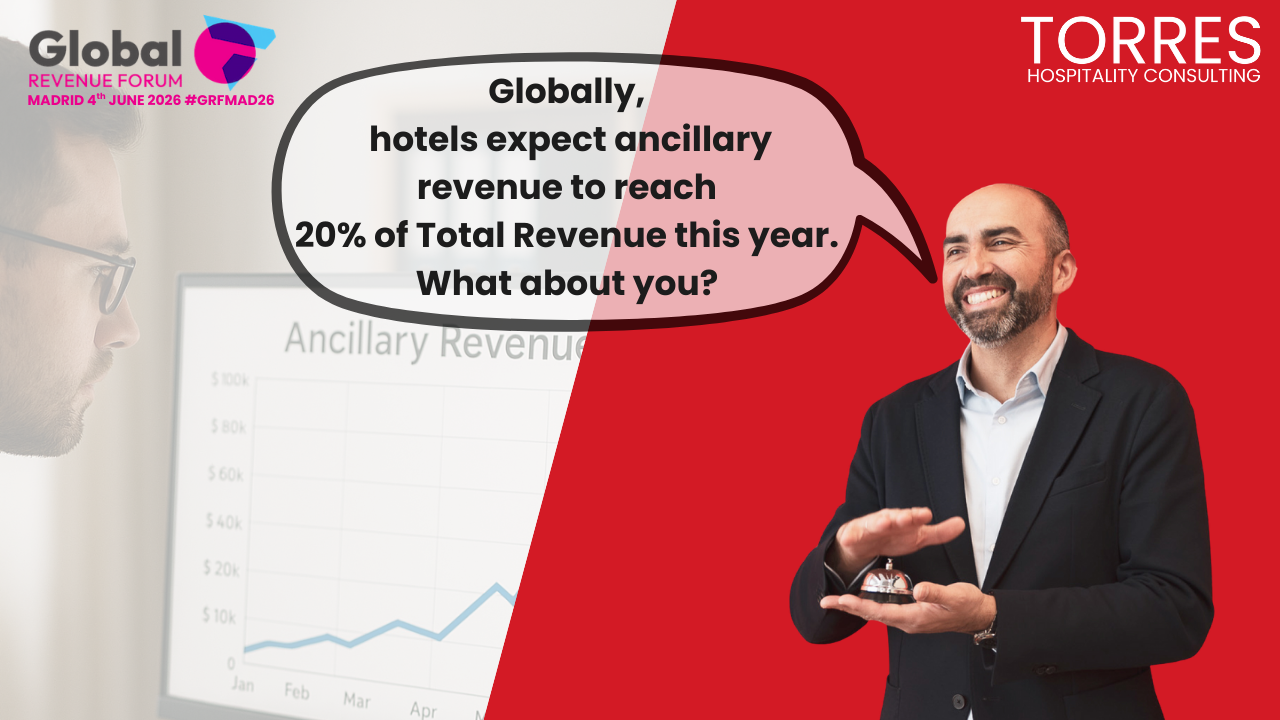
As we move into 2026, ancillary revenue is no longer a secondary income stream but a strategic priority, with over 85% of hoteliers expecting it to account for 20% or more of total revenue. This shift is being powered by AI-driven personalization, which moves beyond generic upselling to "dynamic desire." By leveraging real-time data and predictive algorithms, hotels can act as "digital sommeliers," offering curated micro-experiences—such as timely brunch invites or tailored wellness packages—at the exact moment of guest need. Far from replacing staff, AI acts as an amplifier, reducing operational response times by 25% and allowing human teams to focus on high-impact, empathetic connections that drive long-term loyalty and total revenue per guest (TRevPAR).
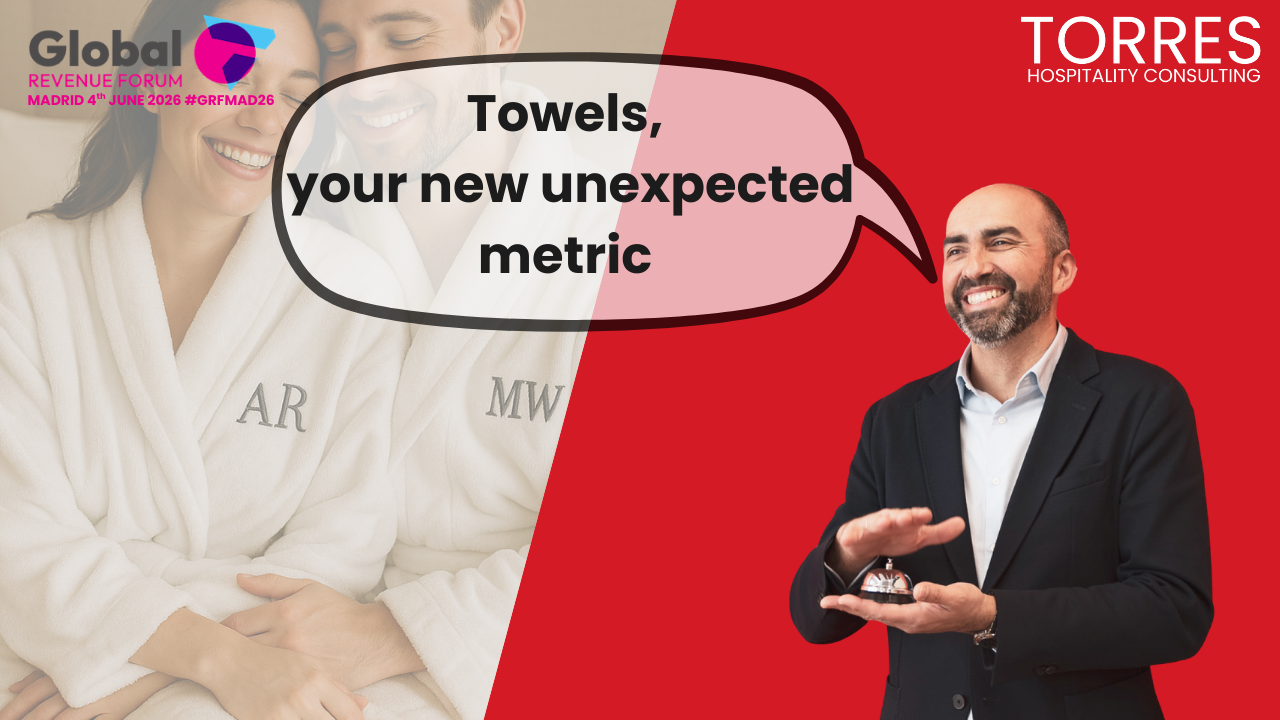
The global towel market is projected to hit $28.7 billion by 2034, signaling a shift where hospitality essentials have become vital symbols of the guest experience. Driven by the $900 billion wellness tourism industry, items like premium, organic towels are now key "sensory touchpoints" that define invisible luxury. For hoteliers, this presents a unique ancillary revenue opportunity: by turning these high-quality sensory experiences into branded "take-home" wellness kits, properties can monetize guest comfort beyond the stay. Success in 2026 requires moving from utility to emotional storytelling, ensuring that every physical detail—no matter how small—is frictionless to purchase and deeply tied to the brand's wellness narrative.
A late 2025 Global Hotel Alliance (GHA) report reveals a major shift in luxury travel: 75% of guests now prioritize personalized, meaningful experiences over traditional status-driven luxury. As we head into 2026, the industry must pivot from "thread count" to "thought count," leveraging the data already sitting in CRMs to deliver intentionality. The winning formula lies in the "Human-AI Duo"—using technology to remember guest preferences while empowering staff to deliver the final, heartfelt connection. By reframing upselling as a thoughtful suggestion based on past behavior, hotels can achieve a 25% increase in guest retention, moving beyond scale toward significance.
Expedia Group’s $500 million acquisition of Tiqets in late 2025 signals a definitive shift toward owning the entire guest journey through the "Experience Economy." This article breaks down why hotels must move beyond being mere accommodation providers to becoming urban adventure hubs and curators of memories. By integrating seamless, personalized experiences into the digital checkout and check-in flows—similar to how OTAs are now doing—hotels can capture a 20% annual growth in the tours and activities segment. Ultimately, the lesson from this deal is clear: the future of profitability lies in controlling the full travel funnel and turning every guest stay into a frictionless, bundled, and highly shareable journey.
The viral success of "aspirational retail" spaces like Meadow Lane and Erewhon in New York serves as a blueprint for modern hotels to boost ancillary revenue through emotional demand. By shifting from a "rooms-first" mentality to an "experience-first" model, hotels can capture the growing demand for "clean dopamine"—the combination of wellness, aesthetics, and social connection. This strategy involves turning underutilized spaces into daylight destinations through local brand collaborations, influencer partnerships, and curated F&B offerings that prioritize storytelling over mere transactions. Ultimately, when hotels design for FOMO and fandom rather than just utility, they unlock high-frequency, high-margin revenue streams that extend far beyond the traditional guest stay.
The rise of "coffee parties" in Spain represents a structural shift in leisure, where younger generations are trading traditional nightclubs for early-morning events that blend exercise, specialty coffee, and social connection. Driven by a post-pandemic focus on wellness and "clean dopamine," these events offer a high-value, hangover-free alternative to the dark, alcohol-driven club scene. For hospitality professionals, this trend serves as a wake-up call to rethink experience design and ancillary revenue, moving away from late-night consumption toward curated daytime activities that align with the productivity and authenticity values of the 20 to 30 age demographic.

Moving beyond the noise of traditional retail discounts, this update announces two major milestones for the Madrid hospitality community in 2026. First, an exclusive cocktail event during FITUR on January 22nd will bring together over 200 hotel professionals for high-level networking focused on ancillary revenue and tech integration. Second, the Global Revenue Forum Madrid 2026 (#GRFMAD26) has revealed its keynote speaker, Sam Gratton, who will lead a session on improving public speaking and communication for managers. With a focus on commercial leadership and holistic revenue strategy, these events are designed to future-proof the industry through practical tools and intentional networking rather than generic panels.
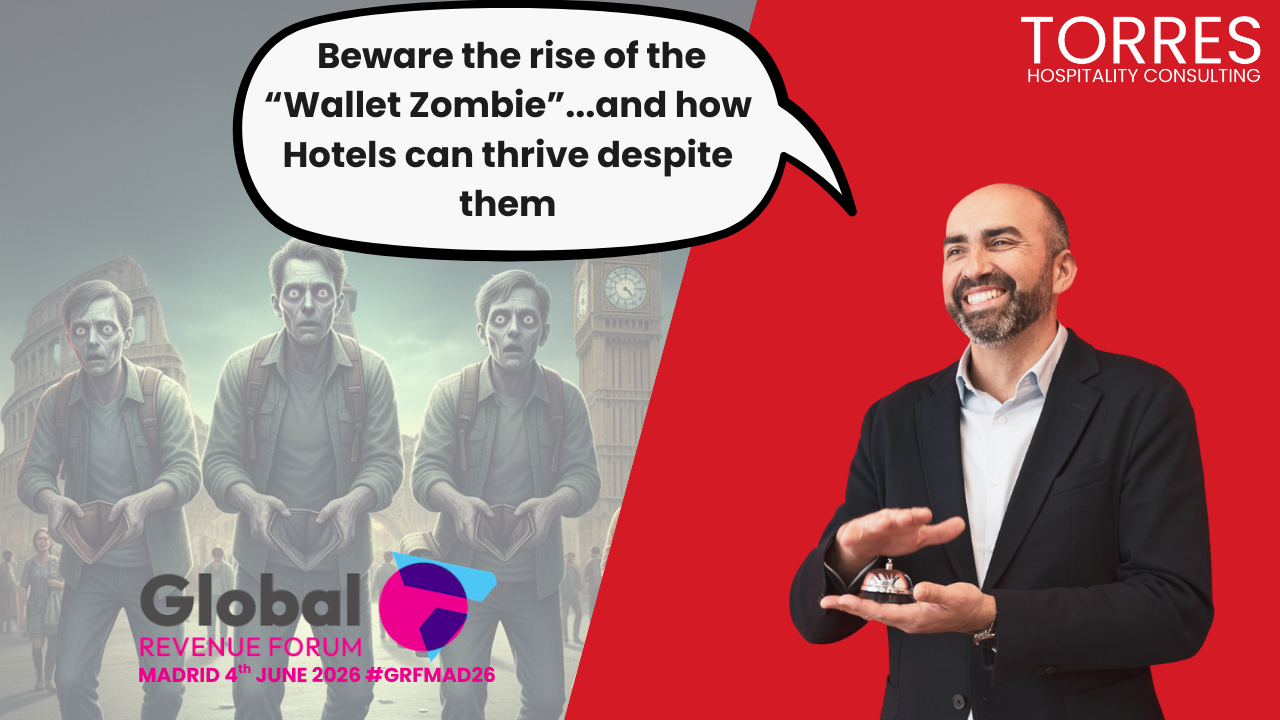
The rise of "wallet zombies"—budget-conscious travelers who arrive at destinations with minimal disposable income after pre-paying for expensive flights and high room rates—presents a significant challenge for modern hotels. While occupancy and Average Daily Rates (ADR) may look healthy, total guest spend is stagnating as these guests bypass traditional extras like minibars or spa treatments. This article argues for a strategic shift: keeping ADR steady while aggressively pursuing ancillary revenue through high-margin, impulsive "micro-experiences." By offering well-timed, affordable indulgences like sunset yoga or express spa treatments, hotels can convert financially stretched guests into active spenders, prioritizing Total Revenue Per Guest as the key indicator for long-term success.

The era of standardized hospitality is being replaced by a demand for meaning, emotion, and deep personalization. This article argues that being "vanilla" or neutral is no longer a safe business strategy but a risk that leads to low brand recall and price-driven competition. By moving toward micro-personalization and catering to specific niche desires—such as wellness rituals or pet-friendly amenities—hotels can transform from simple room providers into experience-driven revenue machines. Ultimately, standing out through emotional resonance and curated ancillary offerings is no longer optional; it is the only way to survive and thrive in a market where experience is the ultimate currency.

Luxury hospitality pricing is often defined by the dramatic spread between entry level rooms and aspirational suites, a gap that serves as a strategic signal of brand strength and destination psychology. Using examples ranging from conservative 5x ratios to extreme 1000x spreads in Las Vegas, this article explores how pricing architecture functions as a "brand halo" to justify rates across all categories. By intentionally engineering these tiers, hotels can unlock higher upselling potential and create a clear narrative of exclusivity. Ultimately, a well structured pricing ladder is not just about numbers, it is a mirror reflecting a property’s revenue ambition and its ability to deliver extraordinary perceived value.
This edition marks a strategic turning point for Hospi•Tech•lity as it transitions toward a more personal and practical approach focused on day to day hospitality strategy. Highlighting the launch of the new Torres Hospitality Consulting website, the update reaffirms a commitment to delivering sharp business ideas with real impact on ancillary revenue and cross departmental alignment. With a focus on the upcoming Global Revenue Forum Madrid 2026, the newsletter invites professionals to move beyond theory and embrace a collaborative journey centered on modern KPIs and future focused commercial performance.
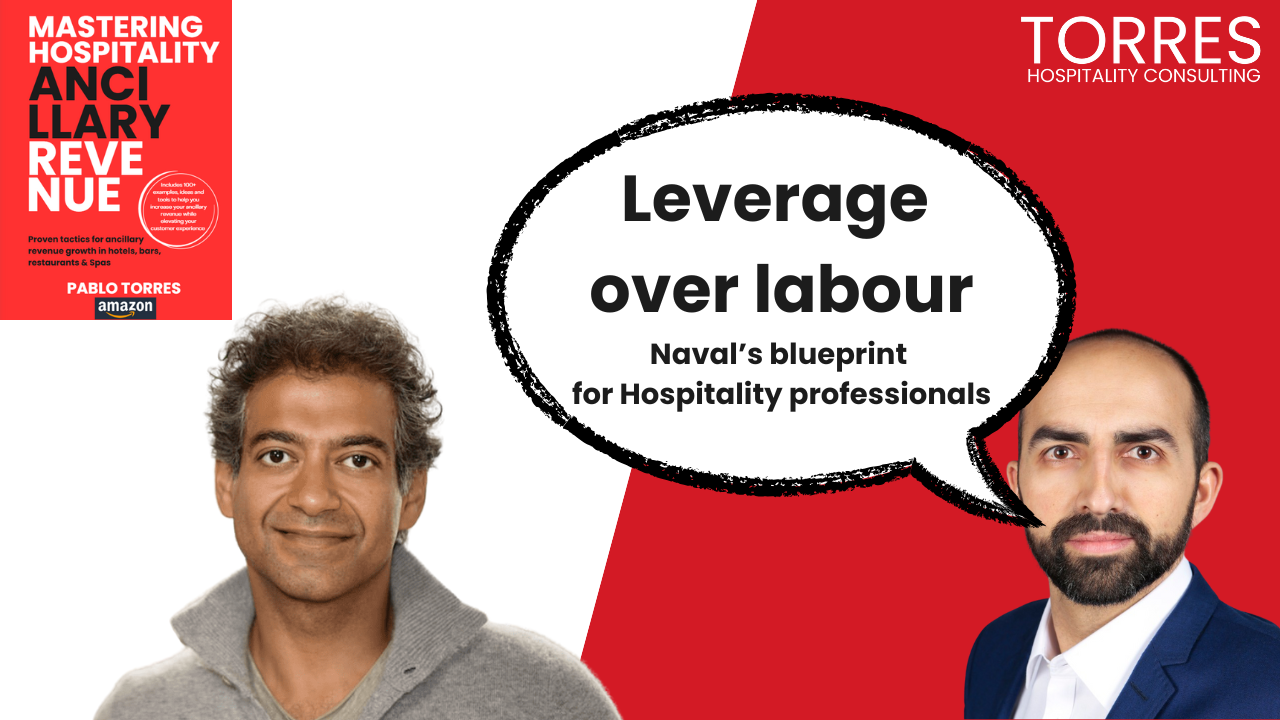
Naval Ravikant’s philosophy on wealth, leverage, and specific knowledge provides a powerful roadmap for hospitality professionals aiming to move beyond traditional roles. This article examines how the dual mastery of building systems and selling value makes a leader unstoppable in a siloed industry. By shifting from short term churn to long term games and utilizing leverage through media, code, and capital, leaders can stop trading time for impact. Ultimately, embracing one's authentic specific knowledge allows hospitality experts to escape competition and lead on their own terms, transforming from standard operators into irreplaceable industry voices.
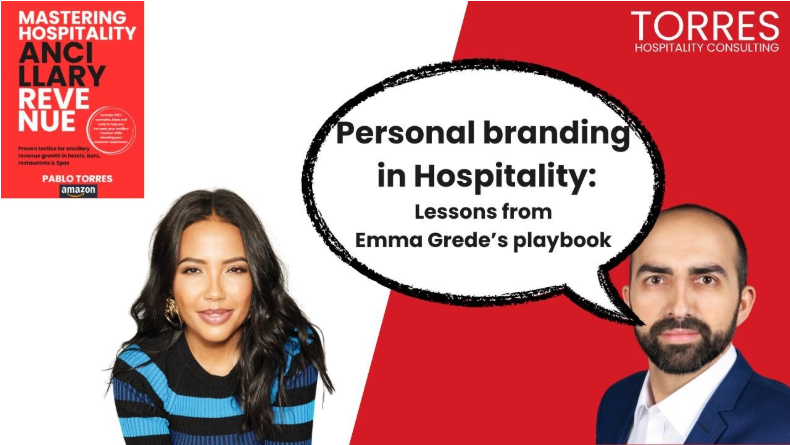
Emma Grede’s journey as a powerhouse in entrepreneurship offers a transformative blueprint for hospitality leaders looking to show up with intention. This article draws clear parallels between her uncompromising clarity of values and the need for hoteliers to break through the "sea of sameness" by claiming their specific stories and expertise. By building in public, choosing authenticity over perfection, and prioritizing community engagement over vanity metrics, professionals can turn their personal brands from masks into mirrors, ensuring they are not just visible, but truly valued and focused on legacy.
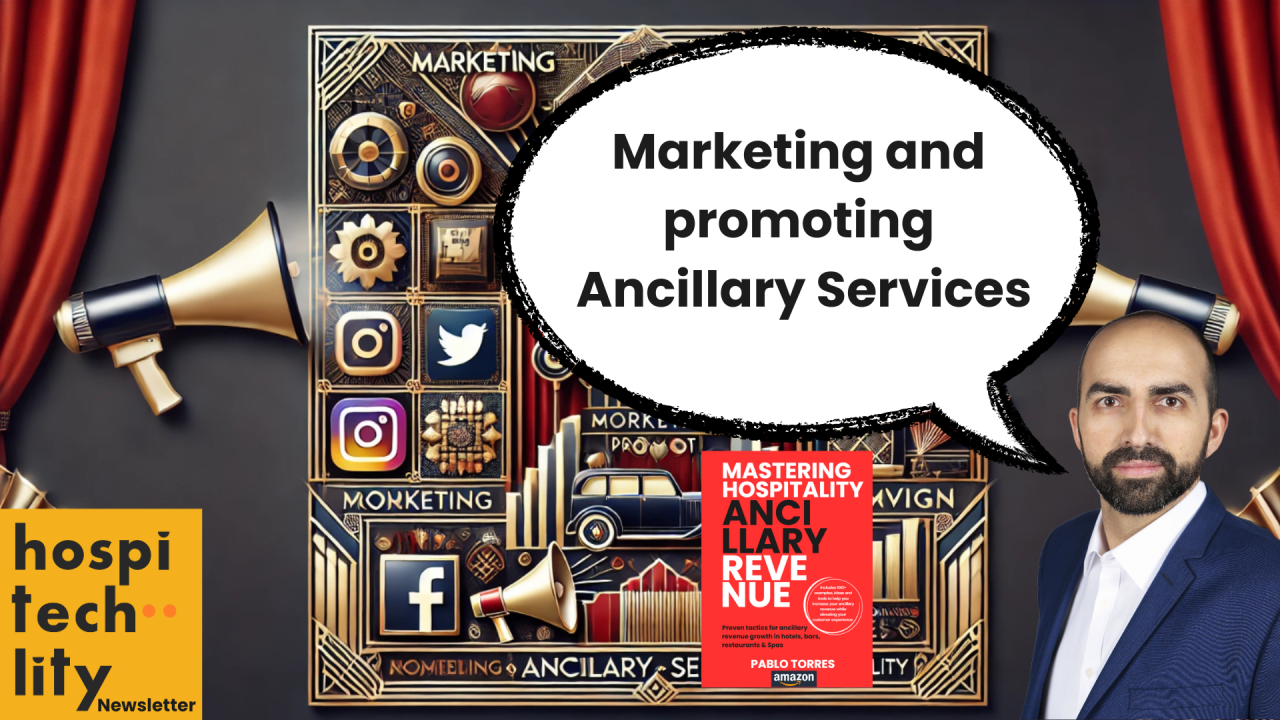
Effectively marketing ancillary services in hospitality requires a proactive, multi-channel approach that combines digital visibility, in-house engagement, strategic partnerships, and psychological pricing. By leveraging tools like social media, email segmentation, influencer collaborations, and real-time guest feedback, hotels can turn overlooked offerings into key revenue drivers—enhancing guest experience while maximizing profitability.

To maximize ancillary revenue, hotels must adopt strategic and personalized marketing approaches that go beyond traditional tactics. By leveraging social media, influencer partnerships, user-generated content, email marketing, and tailored promotions, hotels can effectively showcase unique experiences like spa treatments, local tours, and exclusive dining. These creative efforts not only enhance guest engagement and satisfaction but also drive meaningful revenue growth by positioning the hotel as a destination for more than just a place to stay.