

development
Categories:
- Turismo
- Tecnología de viajes
- capacitación
- Tecnología
- equipo
- Talento
- Talento
- ventas
- ganancia
- Opinión
- Noticias
- marketing
- Libro
- líder
- Hotel
- Foro Global de Ingresos de Madrid
- PENSIÓN COMPLETA
- Entrevista
- Encuentros
- desarrollo
- DESTACADOS
- debate. talento
- Debate
- Cocina y bebidas
- Ideas creativas
- consultante
- libro
- ingresos auxiliares
- auxiliar
- Alicante
- alojamiento
Traditional hotel revenue strategies focused solely on room occupancy are no longer sufficient in a modern commercial landscape. This article, inspired by an interview with SiteMinder, explores the necessary shift from a "heads in beds" mentality to maximizing total revenue per guest. Success in 2026 and beyond will require breaking down departmental silos to ensure that marketing, operations, and revenue teams are aligned toward a shared goal. By prioritizing guest relationships and integrated commercial thinking over simple transactions, hospitality leaders can move past high occupancy toward sustainable, long term profitability.

Scooter Braun’s journey from meteoric success to personal collapse and conscious rebuild offers a powerful mirror for the hospitality industry. This article draws clear parallels between chasing validation through vanity metrics and building sustainable, purpose driven businesses. By looking inward, redefining success beyond RevPAR, and embracing a custodial mindset focused on guest experience, resilience, and holistic value creation, hospitality leaders can emerge stronger, more aligned, and ultimately more profitable. True recovery is not about returning to normal, but about rebuilding with clarity, harmony, and intention.

In a fast paced hospitality environment, hotel General Managers are increasingly discovering that sustainable performance comes from personal and team development, not just operational control. Drawing on coaching principles inspired by Simon Alexander Ong, this article explores how listening over telling, managing personal energy, and fostering self reflection can transform leadership effectiveness. By creating a coaching culture that empowers teams, improves engagement, and aligns daily actions with long term vision, GMs can elevate both hotel performance and their own fulfillment as leaders.

The role of a Hotel Commercial Director goes far beyond hitting revenue targets. Inspired by insights from a masterclass by Russell Brunson, this article explores how sustainable growth in hospitality comes from solving psychological bottlenecks before technical ones, designing clear value ladders, and building evergreen commercial systems. By structuring guest journeys intentionally, empowering teams through clear milestones, and creating autonomous revenue streams supported by data and SOPs, commercial leaders can scale without burnout. Purpose driven growth, aligned with guest value and team empowerment, becomes the true KPI for long term success.

Cliff Weitzman’s journey as the founder of Speechify offers powerful, practical lessons for hotel revenue managers seeking to improve performance and unlock ancillary revenue. His approach, rooted in obsessive measurement, fast learning, cross-functional collaboration, and relentless focus on user value, mirrors the mindset required to succeed in modern hospitality. By expanding the metrics we track, building aligned revenue “pods,” leveraging automation, and focusing on high-ROI actions, revenue leaders can move beyond room-centric thinking and become true commercial strategists. Sustainable revenue growth comes not from chasing benchmarks, but from designing systems that create value at every guest touchpoint.
In an industry obsessed with data, systems, and forecasting accuracy, this article explores dopamine as a powerful, often overlooked, driver of performance in revenue management. Drawing on insights from neuroscientist TJ Power, it explains how motivation is built through effort, focus, and clarity of pursuit rather than comfort or overstimulation. By structuring work around challenging tasks, deep focus, intentional rest, and meaningful goals, revenue professionals can enhance creativity, consistency, and resilience. In a volatile market, understanding and managing our neurobiology is not a wellness trend, it’s a strategic advantage.
In a discipline dominated by data, KPIs, and forecasting accuracy, this article argues that the next competitive advantage in revenue management may lie in emotional intelligence. Inspired by insights from executive coach Joe Hudson, it explores how unconscious emotions like fear, ego, and scarcity thinking can quietly undermine pricing, forecasting, and strategic decisions. By cultivating emotional awareness, purpose-driven motivation, and a mindset of abundance, revenue leaders can make clearer decisions, lead more effectively, and find greater fulfillment in their roles. In an increasingly automated hospitality landscape, emotional maturity is not a soft skill, it is a strategic asset that drives sustainable revenue growth.
Working in hospitality can be deeply rewarding and emotionally demanding, often leading professionals to question their sense of purpose. Inspired by the insights of clinical psychologist Dr. Julie Smith, this article explores how purpose in hospitality isn’t found through dramatic change, but built gradually through awareness, values, and meaningful service. By reframing daily work as a craft, aligning actions with personal values, and recognising the impact of small moments, hospitality professionals can reconnect with a deeper sense of meaning. In an industry rooted in care and human connection, purpose is often already present, waiting to be noticed.
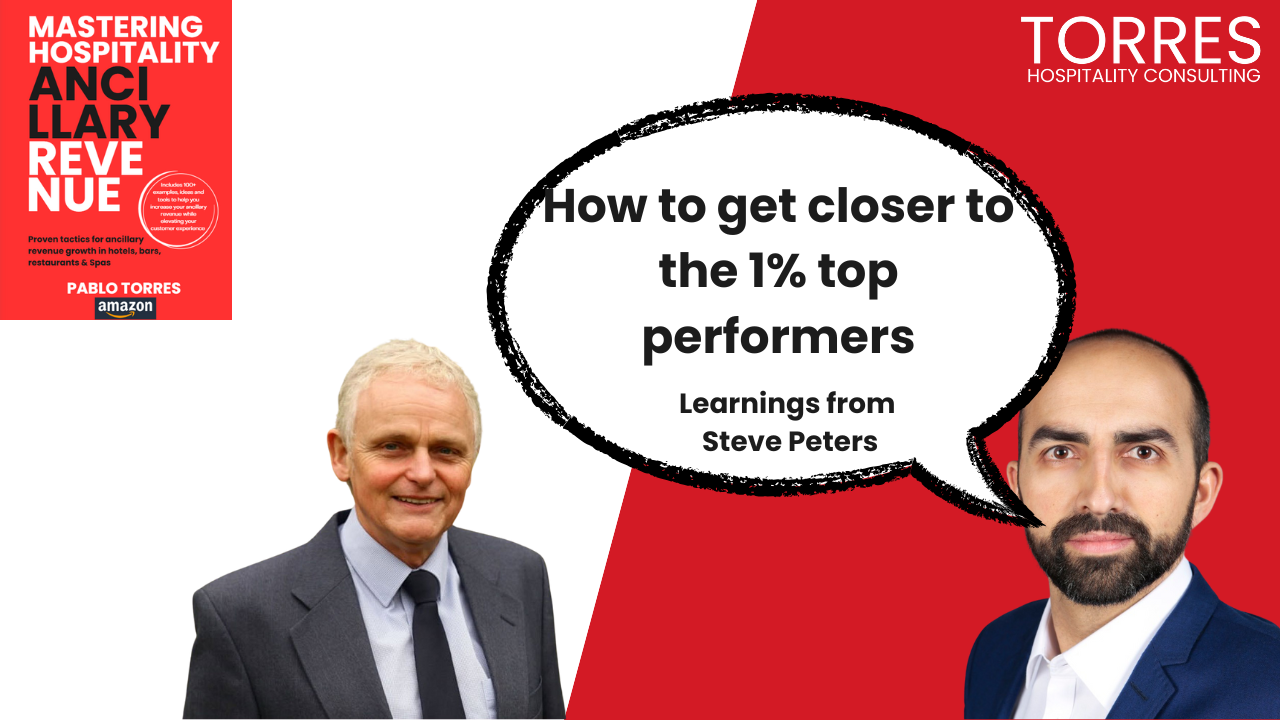
Professor Steve Peters’ insights offer a powerful blueprint for hospitality professionals who want to perform at their best without burning out. High performance isn’t about hustle, perfection, or suppressing emotions, it’s about learning to manage your mind. By understanding emotional reactions, upgrading limiting beliefs, and building stable mental habits, professionals can respond calmly under pressure and lead more effectively. The top performers rely on consistency, clear values, and simple systems rather than motivation alone. In hospitality, sustainable success comes from emotional self-regulation, self-awareness, and treating the mind as a core performance asset, not an afterthought.
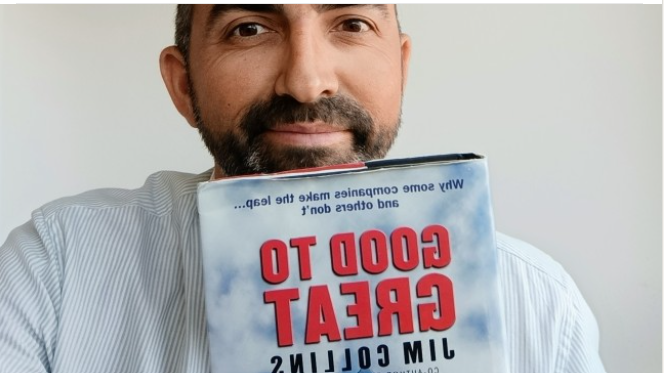
Jim Collins' Good to Great offers timeless principles that hospitality businesses can harness to elevate from merely good operations to truly exceptional ones. By identifying their Hedgehog Concept—where passion, excellence, and profitability intersect—hotels and hospitality brands can define a focused path to greatness. Cultivating Level 5 Leadership ensures that humble, yet fiercely committed leaders guide the organization with integrity and resilience. Through the Flywheel Effect, consistent and disciplined efforts across service, operations, and culture build unstoppable momentum. Most importantly, by putting the “right people on the bus” before strategy, hospitality organizations can adapt, thrive, and lead with a team aligned in vision and values—delivering guest experiences that inspire loyalty and distinction.