Creative Ideas
Categories:
- Turismo
- Tecnología de viajes
- capacitación
- Tecnología
- equipo
- Talento
- Talento
- ventas
- ganancia
- Opinión
- Noticias
- marketing
- Libro
- líder
- Hotel
- Foro Global de Ingresos de Madrid
- PENSIÓN COMPLETA
- Entrevista
- Encuentros
- desarrollo
- DESTACADOS
- debate. talento
- Debate
- Cocina y bebidas
- Ideas creativas
- consultante
- libro
- ingresos auxiliares
- auxiliar
- Alicante
- alojamiento
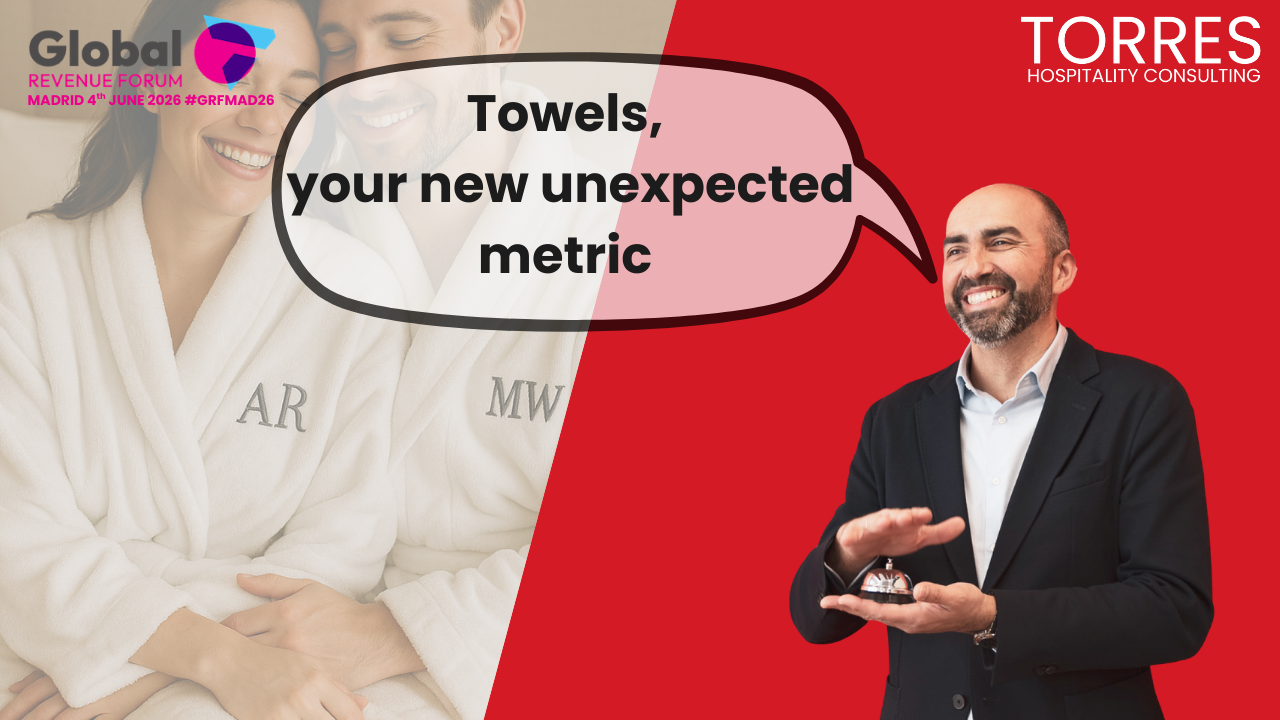
The global towel market is projected to hit $28.7 billion by 2034, signaling a shift where hospitality essentials have become vital symbols of the guest experience. Driven by the $900 billion wellness tourism industry, items like premium, organic towels are now key "sensory touchpoints" that define invisible luxury. For hoteliers, this presents a unique ancillary revenue opportunity: by turning these high-quality sensory experiences into branded "take-home" wellness kits, properties can monetize guest comfort beyond the stay. Success in 2026 requires moving from utility to emotional storytelling, ensuring that every physical detail—no matter how small—is frictionless to purchase and deeply tied to the brand's wellness narrative.
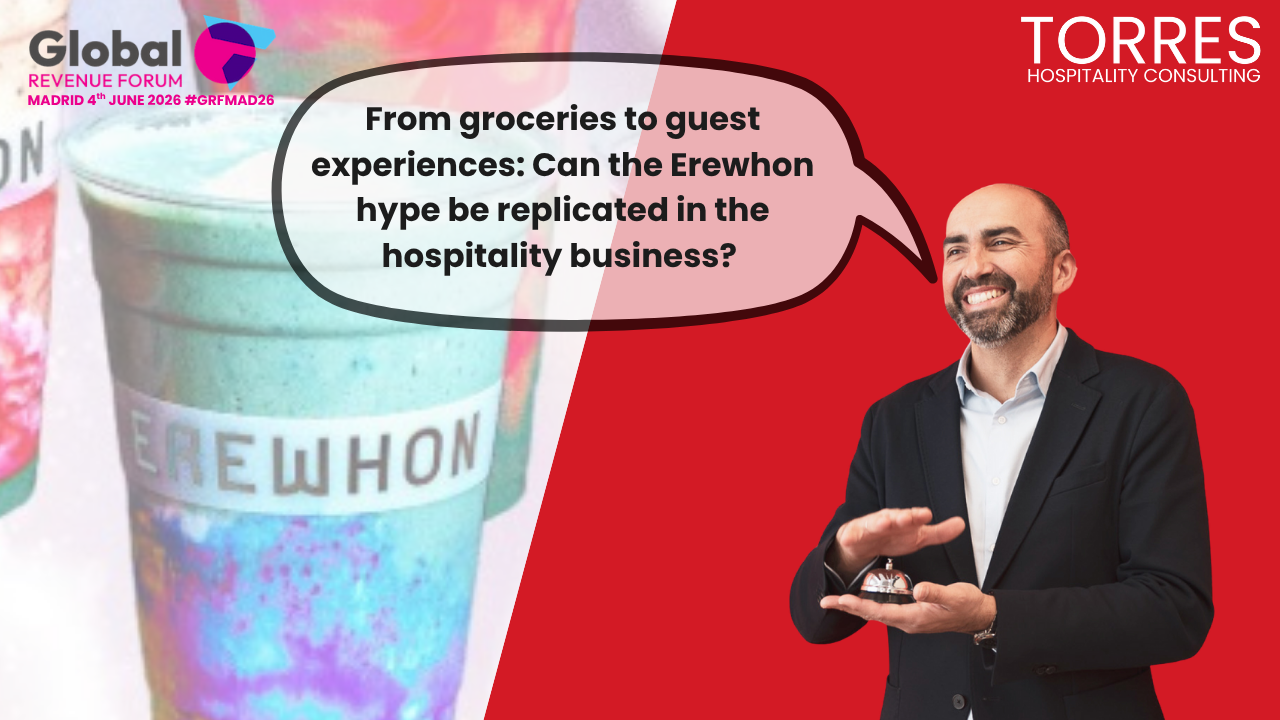
The viral success of "aspirational retail" spaces like Meadow Lane and Erewhon in New York serves as a blueprint for modern hotels to boost ancillary revenue through emotional demand. By shifting from a "rooms-first" mentality to an "experience-first" model, hotels can capture the growing demand for "clean dopamine"—the combination of wellness, aesthetics, and social connection. This strategy involves turning underutilized spaces into daylight destinations through local brand collaborations, influencer partnerships, and curated F&B offerings that prioritize storytelling over mere transactions. Ultimately, when hotels design for FOMO and fandom rather than just utility, they unlock high-frequency, high-margin revenue streams that extend far beyond the traditional guest stay.
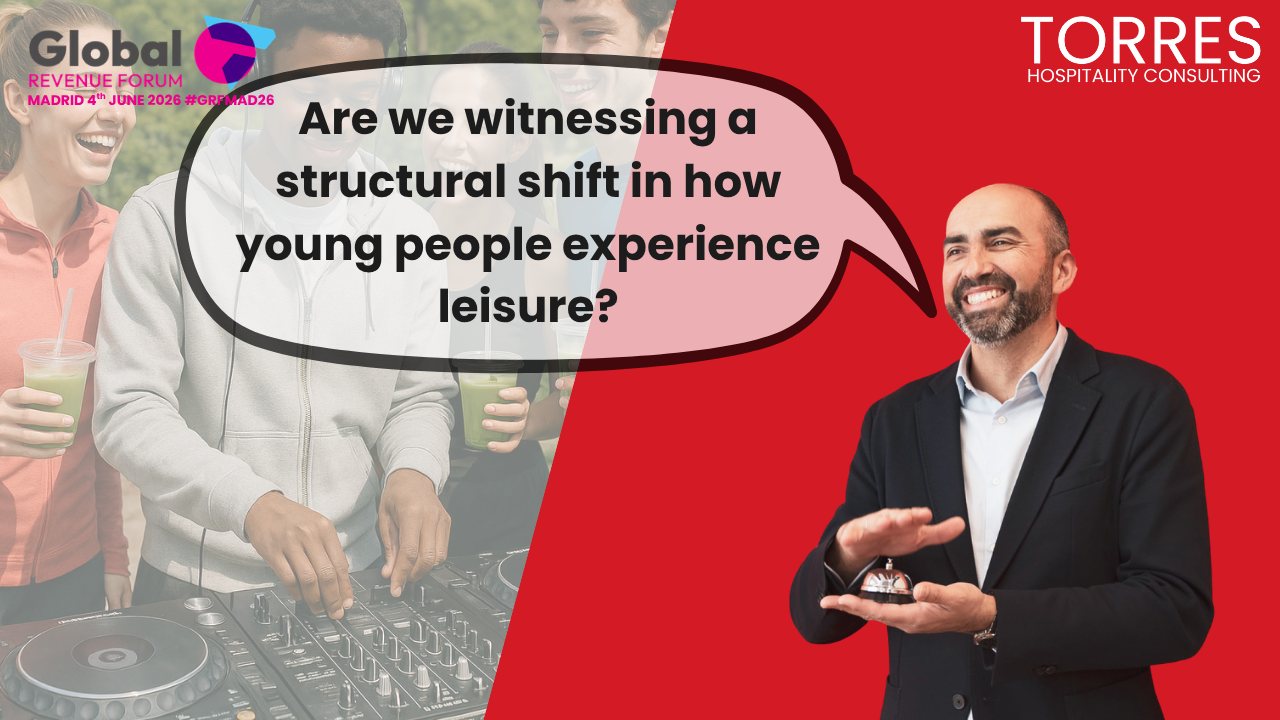
The rise of "coffee parties" in Spain represents a structural shift in leisure, where younger generations are trading traditional nightclubs for early-morning events that blend exercise, specialty coffee, and social connection. Driven by a post-pandemic focus on wellness and "clean dopamine," these events offer a high-value, hangover-free alternative to the dark, alcohol-driven club scene. For hospitality professionals, this trend serves as a wake-up call to rethink experience design and ancillary revenue, moving away from late-night consumption toward curated daytime activities that align with the productivity and authenticity values of the 20 to 30 age demographic.

The Empire State Building’s financial success, where nearly 30% of revenue comes from non-office sources, provides a masterclass in strategic asset monetization for the hospitality industry. This article explores how hotels can emulate this "vertical revenue" model by shifting focus toward Total Revenue per Available Room (TRevPAR) and other advanced metrics like F&B RevPOR and RevPASM. By treating every square meter as a strategic opportunity—turning rooftops into experience zones or conference rooms into flexible lounges—hotels can reduce their dependency on room rates alone. Ultimately, the goal is to "sweat the assets" and build a resilient business model that thrives by identifying and monetizing its own version of an "observation deck."
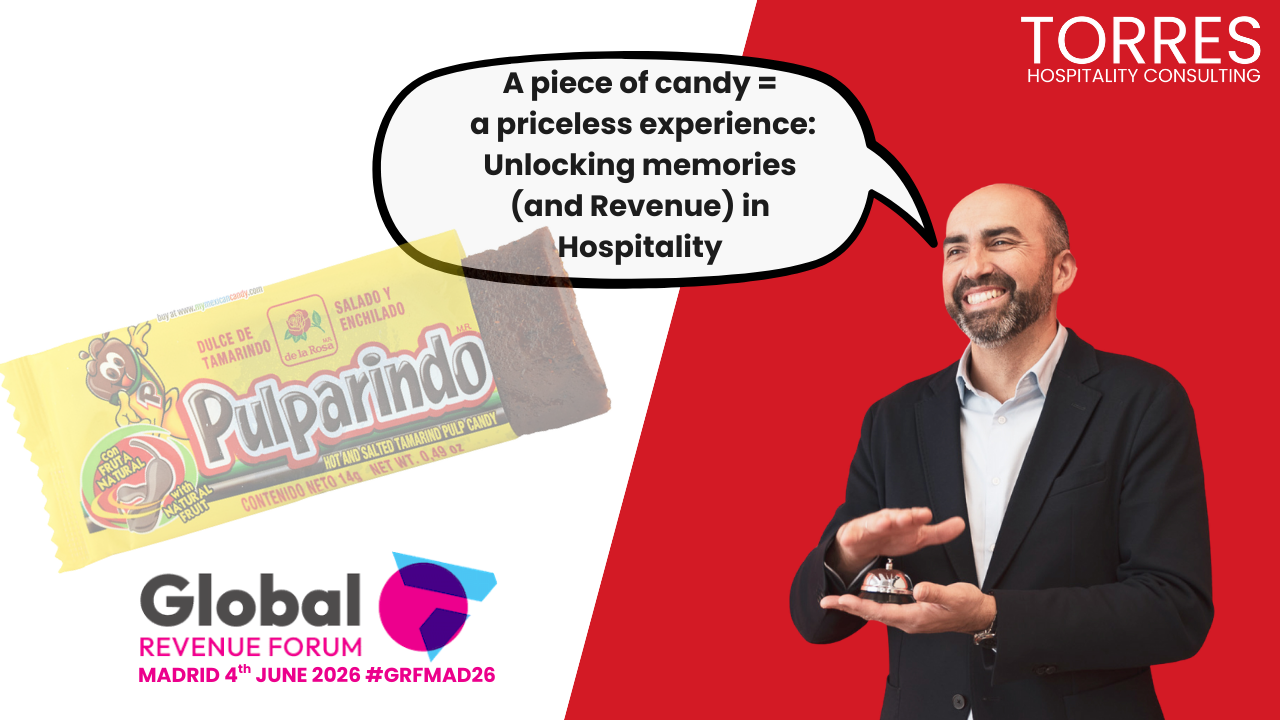
Small, unexpected gestures in hospitality—like providing a simple piece of candy with the bill—can have a disproportionate emotional and economic impact. Supported by behavioral science and the principle of reciprocity, these "micro-moments" create personal connections that traditional loyalty programs cannot match. By focusing on emotional real estate and memory optimization rather than just service efficiency, hotels and restaurants can significantly enhance guest perception and revenue. In an increasingly automated world, the strategic use of nostalgia and thoughtfulness remains a priceless tool for those in the business of creating lasting memories.
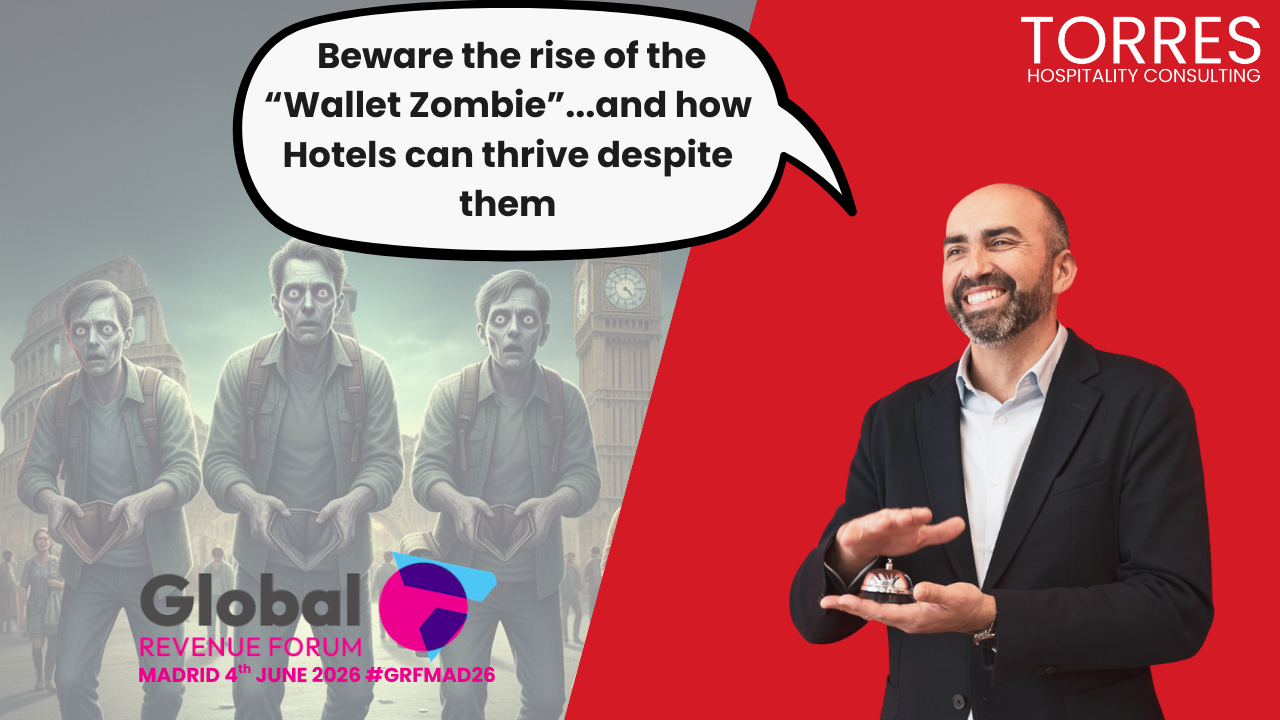
The rise of "wallet zombies"—budget-conscious travelers who arrive at destinations with minimal disposable income after pre-paying for expensive flights and high room rates—presents a significant challenge for modern hotels. While occupancy and Average Daily Rates (ADR) may look healthy, total guest spend is stagnating as these guests bypass traditional extras like minibars or spa treatments. This article argues for a strategic shift: keeping ADR steady while aggressively pursuing ancillary revenue through high-margin, impulsive "micro-experiences." By offering well-timed, affordable indulgences like sunset yoga or express spa treatments, hotels can convert financially stretched guests into active spenders, prioritizing Total Revenue Per Guest as the key indicator for long-term success.

The era of standardized hospitality is being replaced by a demand for meaning, emotion, and deep personalization. This article argues that being "vanilla" or neutral is no longer a safe business strategy but a risk that leads to low brand recall and price-driven competition. By moving toward micro-personalization and catering to specific niche desires—such as wellness rituals or pet-friendly amenities—hotels can transform from simple room providers into experience-driven revenue machines. Ultimately, standing out through emotional resonance and curated ancillary offerings is no longer optional; it is the only way to survive and thrive in a market where experience is the ultimate currency.

Luxury hospitality pricing is often defined by the dramatic spread between entry level rooms and aspirational suites, a gap that serves as a strategic signal of brand strength and destination psychology. Using examples ranging from conservative 5x ratios to extreme 1000x spreads in Las Vegas, this article explores how pricing architecture functions as a "brand halo" to justify rates across all categories. By intentionally engineering these tiers, hotels can unlock higher upselling potential and create a clear narrative of exclusivity. Ultimately, a well structured pricing ladder is not just about numbers, it is a mirror reflecting a property’s revenue ambition and its ability to deliver extraordinary perceived value.
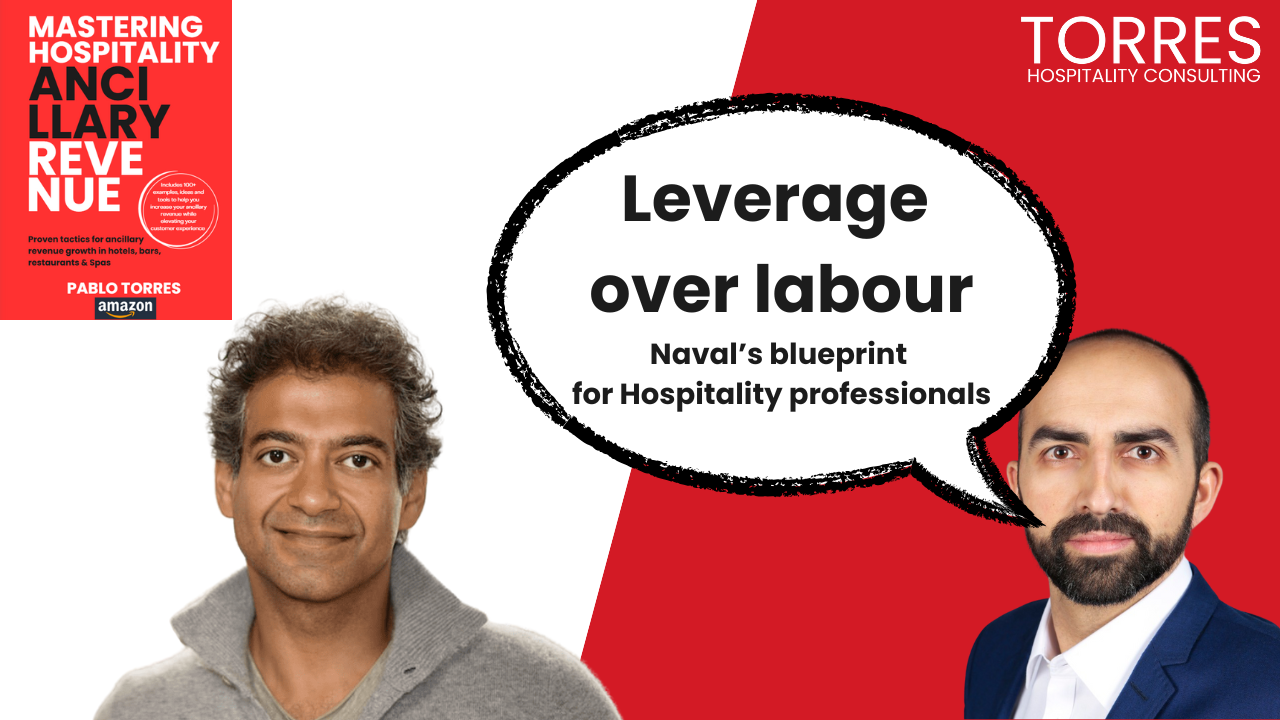
Naval Ravikant’s philosophy on wealth, leverage, and specific knowledge provides a powerful roadmap for hospitality professionals aiming to move beyond traditional roles. This article examines how the dual mastery of building systems and selling value makes a leader unstoppable in a siloed industry. By shifting from short term churn to long term games and utilizing leverage through media, code, and capital, leaders can stop trading time for impact. Ultimately, embracing one's authentic specific knowledge allows hospitality experts to escape competition and lead on their own terms, transforming from standard operators into irreplaceable industry voices.

Quisque fames ex arcu condimentum id vestibulum dui turpis dictumst molestie. Quam tincidunt odio pede natoque potenti cursus fames torquent montes euismod. Eget maecenas torquent suscipit consectetur aenean mauris ridiculus. Elit dis pede rutrum natoque porttitor luctus ultrices. Ut leo accumsan dignissim netus a montes auctor tortor erat.
Vel id maximus platea litora placerat bibendum. Sem venenatis nibh eu platea arcu. Sit id nulla molestie lacinia letius. Primis augue lectus felis magna penatibus velit. Sapien consequat dictum magna hendrerit sagittis tristique.
Ex aptent cras purus mattis ac lacus suscipit. Curae purus habitasse cubilia mattis donec malesuada porta. Urna augue etiam dignissim fringilla mus nisl imperdiet fermentum convallis primis vel. Etiam senectus pellentesque dictumst feugiat praesent metus. Enim conubia velit id placerat est hac purus.
Torquent rutrum natoque arcu vulputate eros ad cras primis lobortis. Vehicula torquent himenaeos vitae porta mattis. Et sodales ad nec facilisis sollicitudin amet tincidunt tempus nascetur luctus conubia. Conubia ad iaculis nisl faucibus sagittis cubilia. Convallis facilisi mus nibh porta praesent hendrerit urna.