ancillary revenue
Categories:
- Turismo
- Tecnología de viajes
- capacitación
- Tecnología
- equipo
- Talento
- Talento
- ventas
- ganancia
- Opinión
- Noticias
- marketing
- Libro
- líder
- Hotel
- Foro Global de Ingresos de Madrid
- PENSIÓN COMPLETA
- Entrevista
- Encuentros
- desarrollo
- DESTACADOS
- debate. talento
- Debate
- Cocina y bebidas
- Ideas creativas
- consultante
- libro
- ingresos auxiliares
- auxiliar
- Alicante
- alojamiento

Google’s "Travel 2050" projections—forecasting a $4.2 trillion increase in spending and 70% of the population traveling—present a "complexity tax" for hoteliers. With rising acquisition costs and fragmented demand, profitability will depend on moving beyond occupancy and ADR to focus on high-margin ancillaries. In mature markets like Europe and the U.S., higher spend per trip and service conversion will be the primary margin protectors. Furthermore, the rise of "agentic AI" means that only hotels with structured, AI-ready data for their non-room services (spa, F&B, tours) will be visible in the next generation of automated booking. Success in 2026–2027 requires treating domestic travel as a recurrence platform and modernizing product taxonomies to "automate the logic and scale the magic."
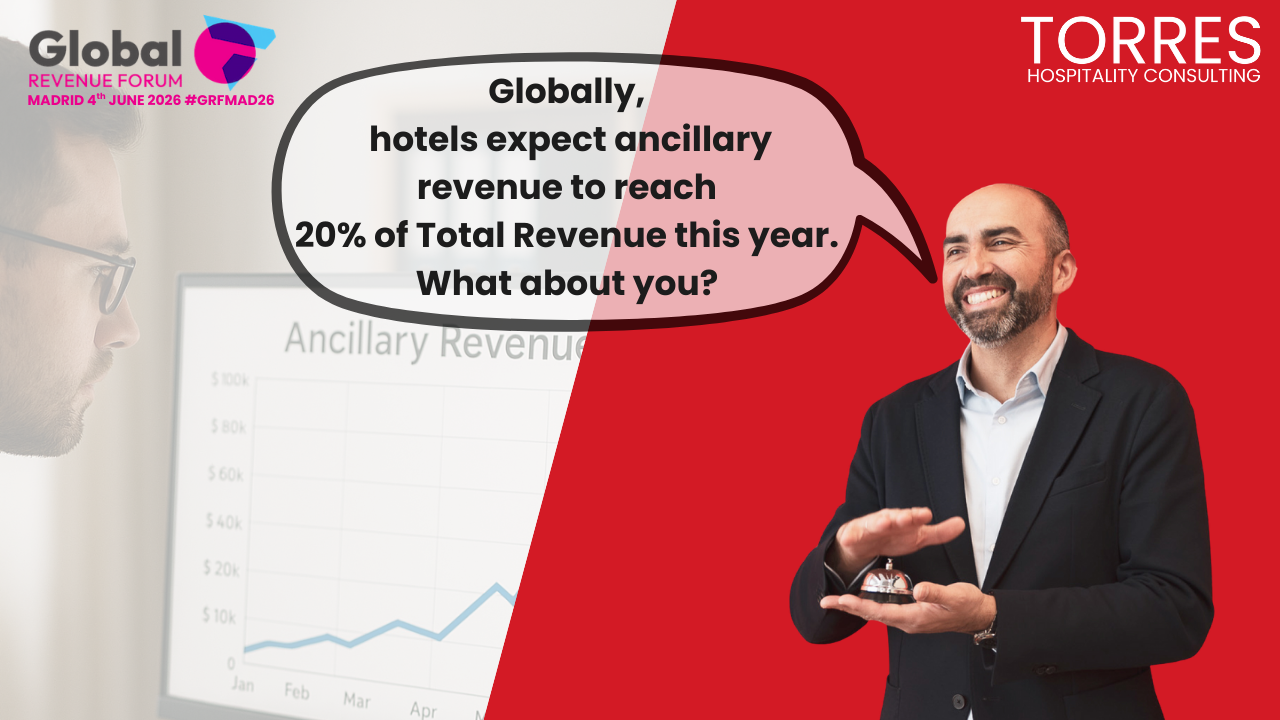
As we move into 2026, ancillary revenue is no longer a secondary income stream but a strategic priority, with over 85% of hoteliers expecting it to account for 20% or more of total revenue. This shift is being powered by AI-driven personalization, which moves beyond generic upselling to "dynamic desire." By leveraging real-time data and predictive algorithms, hotels can act as "digital sommeliers," offering curated micro-experiences—such as timely brunch invites or tailored wellness packages—at the exact moment of guest need. Far from replacing staff, AI acts as an amplifier, reducing operational response times by 25% and allowing human teams to focus on high-impact, empathetic connections that drive long-term loyalty and total revenue per guest (TRevPAR).
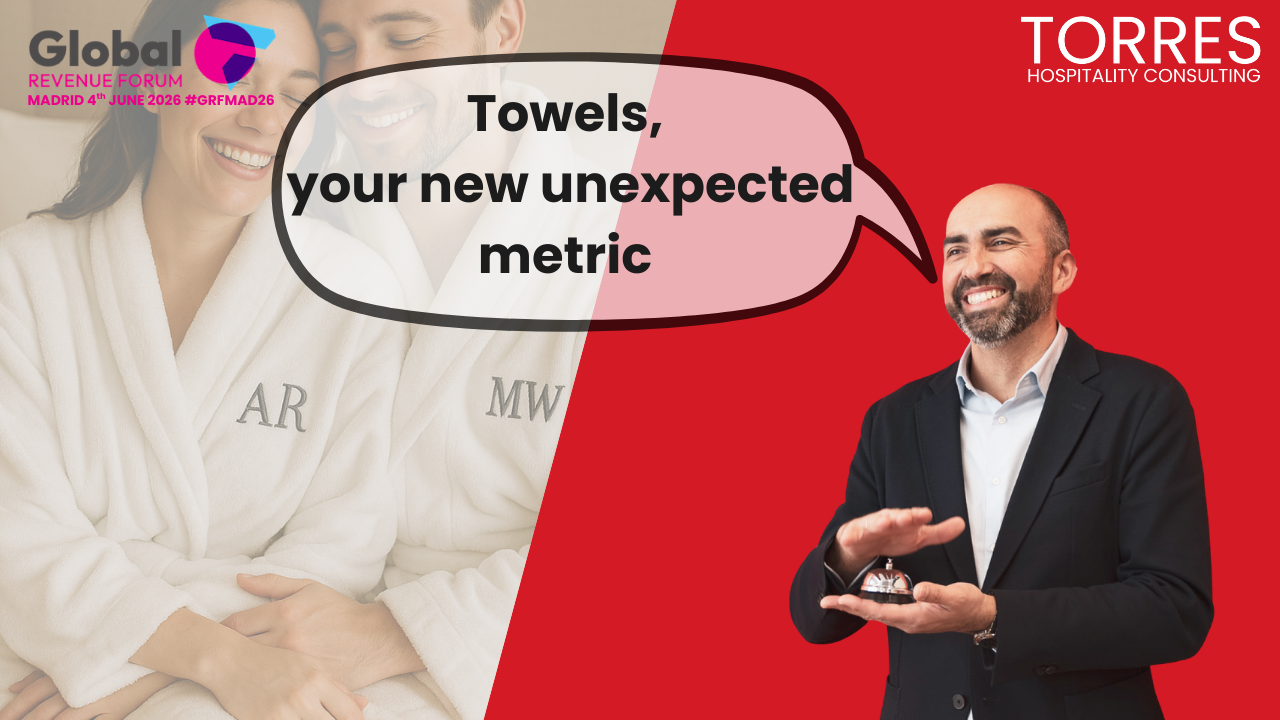
The global towel market is projected to hit $28.7 billion by 2034, signaling a shift where hospitality essentials have become vital symbols of the guest experience. Driven by the $900 billion wellness tourism industry, items like premium, organic towels are now key "sensory touchpoints" that define invisible luxury. For hoteliers, this presents a unique ancillary revenue opportunity: by turning these high-quality sensory experiences into branded "take-home" wellness kits, properties can monetize guest comfort beyond the stay. Success in 2026 requires moving from utility to emotional storytelling, ensuring that every physical detail—no matter how small—is frictionless to purchase and deeply tied to the brand's wellness narrative.

A late 2025 Global Hotel Alliance (GHA) report reveals a major shift in luxury travel: 75% of guests now prioritize personalized, meaningful experiences over traditional status-driven luxury. As we head into 2026, the industry must pivot from "thread count" to "thought count," leveraging the data already sitting in CRMs to deliver intentionality. The winning formula lies in the "Human-AI Duo"—using technology to remember guest preferences while empowering staff to deliver the final, heartfelt connection. By reframing upselling as a thoughtful suggestion based on past behavior, hotels can achieve a 25% increase in guest retention, moving beyond scale toward significance.
Expedia Group’s $500 million acquisition of Tiqets in late 2025 signals a definitive shift toward owning the entire guest journey through the "Experience Economy." This article breaks down why hotels must move beyond being mere accommodation providers to becoming urban adventure hubs and curators of memories. By integrating seamless, personalized experiences into the digital checkout and check-in flows—similar to how OTAs are now doing—hotels can capture a 20% annual growth in the tours and activities segment. Ultimately, the lesson from this deal is clear: the future of profitability lies in controlling the full travel funnel and turning every guest stay into a frictionless, bundled, and highly shareable journey.
The viral success of "aspirational retail" spaces like Meadow Lane and Erewhon in New York serves as a blueprint for modern hotels to boost ancillary revenue through emotional demand. By shifting from a "rooms-first" mentality to an "experience-first" model, hotels can capture the growing demand for "clean dopamine"—the combination of wellness, aesthetics, and social connection. This strategy involves turning underutilized spaces into daylight destinations through local brand collaborations, influencer partnerships, and curated F&B offerings that prioritize storytelling over mere transactions. Ultimately, when hotels design for FOMO and fandom rather than just utility, they unlock high-frequency, high-margin revenue streams that extend far beyond the traditional guest stay.

The Empire State Building’s financial success, where nearly 30% of revenue comes from non-office sources, provides a masterclass in strategic asset monetization for the hospitality industry. This article explores how hotels can emulate this "vertical revenue" model by shifting focus toward Total Revenue per Available Room (TRevPAR) and other advanced metrics like F&B RevPOR and RevPASM. By treating every square meter as a strategic opportunity—turning rooftops into experience zones or conference rooms into flexible lounges—hotels can reduce their dependency on room rates alone. Ultimately, the goal is to "sweat the assets" and build a resilient business model that thrives by identifying and monetizing its own version of an "observation deck."
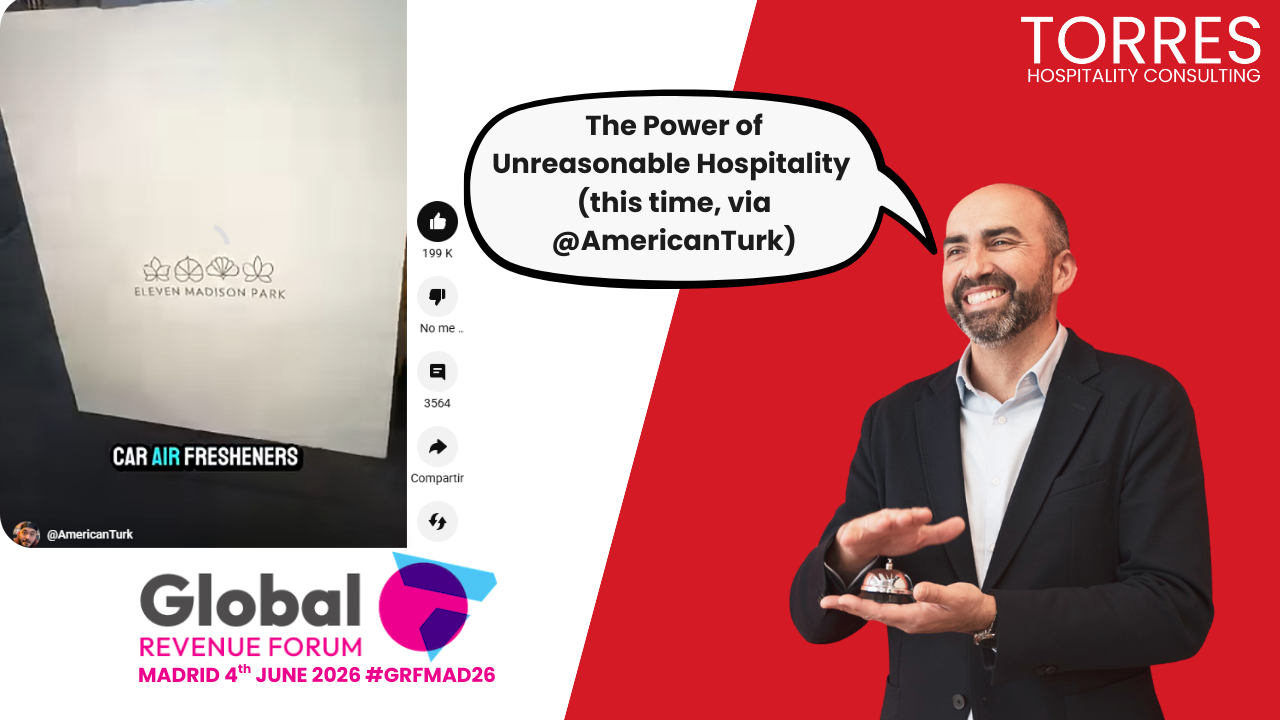
Unreasonable hospitality is a philosophy that moves beyond mere efficiency to create emotionally resonant moments that guests remember for a lifetime. Using the viral story of a cab driver at Eleven Madison Park as a prime example, this article explores how responding to small, personal details can be more impactful than grand, generic gestures. For hotel operators, this approach is both emotionally and commercially strategic; when guests feel seen, they are more likely to engage with ancillary services and develop long-term loyalty. By empowering teams to act on guest data in real time and prioritizing "relevance" over "standard excellence," hotels can turn routine stays into unforgettable stories that drive both reputation and revenue.
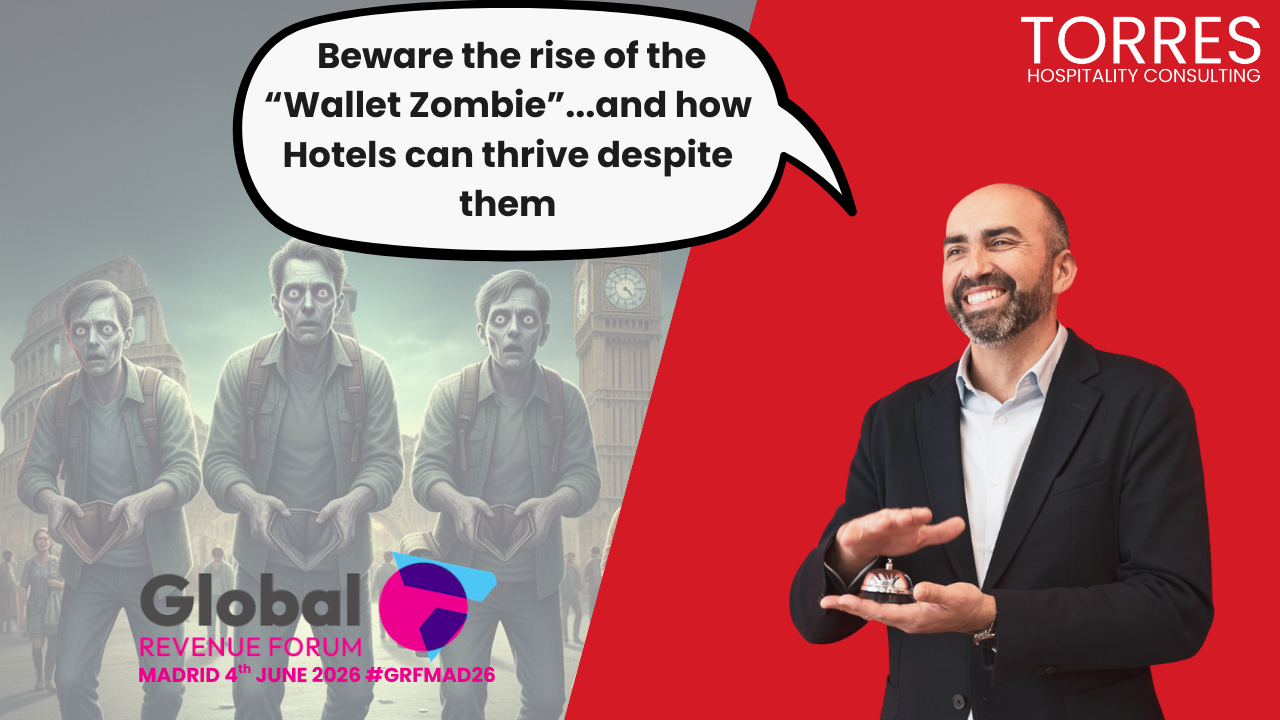
The rise of "wallet zombies"—budget-conscious travelers who arrive at destinations with minimal disposable income after pre-paying for expensive flights and high room rates—presents a significant challenge for modern hotels. While occupancy and Average Daily Rates (ADR) may look healthy, total guest spend is stagnating as these guests bypass traditional extras like minibars or spa treatments. This article argues for a strategic shift: keeping ADR steady while aggressively pursuing ancillary revenue through high-margin, impulsive "micro-experiences." By offering well-timed, affordable indulgences like sunset yoga or express spa treatments, hotels can convert financially stretched guests into active spenders, prioritizing Total Revenue Per Guest as the key indicator for long-term success.

The era of standardized hospitality is being replaced by a demand for meaning, emotion, and deep personalization. This article argues that being "vanilla" or neutral is no longer a safe business strategy but a risk that leads to low brand recall and price-driven competition. By moving toward micro-personalization and catering to specific niche desires—such as wellness rituals or pet-friendly amenities—hotels can transform from simple room providers into experience-driven revenue machines. Ultimately, standing out through emotional resonance and curated ancillary offerings is no longer optional; it is the only way to survive and thrive in a market where experience is the ultimate currency.
The debate over whether all-inclusive resorts should offer ancillary services often boils down to a choice between perceived greed and guest centricity. This article argues that offering extras is actually a form of smart optimization that adds depth to the guest experience through meaningful enhancements like private rituals or curated tours. By utilizing the golden window between booking and arrival and shifting metrics toward Total Revenue Per Guest, resorts can move beyond the limits of traditional RevPAR. Ultimately, when designed with empathy and proper timing, ancillaries are not about squeezing wallets but about providing choice and creating richer, more memorable stays.
Ancillary revenue remains one of the greatest missed opportunities in the hospitality industry due to a lack of systematic analysis and strategic focus. This article highlights why properties must stop treating non-room revenue as a side hustle and instead manage it with the same KPIs and commercial rigor as traditional room sales. By shifting the focus from simply selling more to solving guest needs through empathy and data-driven insights, hotels can move toward a total revenue model. Ultimately, the future of the industry lies in integrating commercial thinking across all departments to ensure every guest interaction delivers both value and profit.

Cliff Weitzman’s journey as the founder of Speechify offers powerful, practical lessons for hotel revenue managers seeking to improve performance and unlock ancillary revenue. His approach, rooted in obsessive measurement, fast learning, cross-functional collaboration, and relentless focus on user value, mirrors the mindset required to succeed in modern hospitality. By expanding the metrics we track, building aligned revenue “pods,” leveraging automation, and focusing on high-ROI actions, revenue leaders can move beyond room-centric thinking and become true commercial strategists. Sustainable revenue growth comes not from chasing benchmarks, but from designing systems that create value at every guest touchpoint.
The main idea is that in hospitality, true revenue growth—especially in ancillary services—comes not from nonstop hustle, but from intentional, focused, and thoughtful actions that create meaningful guest experiences and empower teams to work with purpose, not pressure.

In hospitality, growing ancillary revenue isn’t just about pricing or sales tactics—it’s about building team confidence. Many missed upsell opportunities stem from self-doubt, not lack of strategy. By shifting mindsets, empowering staff to believe in the value they offer, and creating safe spaces to practice and grow, hotels can transform internal confidence into external revenue. Confidence sells—silence doesn’t.
Maximizing ancillary revenue in hospitality depends on empowering staff—not just through training, but by fostering a guest-centric culture built on empathy, product knowledge, motivation, and technology. By equipping employees to recognize and act on personalized upselling opportunities with confidence and authenticity, hotels can enhance guest satisfaction while driving revenue. Investing in continuous learning, cross-department collaboration, and meaningful incentives turns team members into engaged brand ambassadors and key revenue contributors.
Effectively marketing ancillary services in hospitality requires a proactive, multi-channel approach that combines digital visibility, in-house engagement, strategic partnerships, and psychological pricing. By leveraging tools like social media, email segmentation, influencer collaborations, and real-time guest feedback, hotels can turn overlooked offerings into key revenue drivers—enhancing guest experience while maximizing profitability.
As the hospitality industry evolves, optimizing ancillary revenue—through both traditional services like spa treatments and in-room dining, and emerging streams like wellness programs, sustainable tourism, and retail—has become vital for profitability and guest satisfaction. By embracing personalization, leveraging guest data, adopting creative marketing, and continually refining offers based on performance and trends, hotels can deliver memorable guest experiences while unlocking significant revenue growth.

To maximize ancillary revenue, hotels must adopt strategic and personalized marketing approaches that go beyond traditional tactics. By leveraging social media, influencer partnerships, user-generated content, email marketing, and tailored promotions, hotels can effectively showcase unique experiences like spa treatments, local tours, and exclusive dining. These creative efforts not only enhance guest engagement and satisfaction but also drive meaningful revenue growth by positioning the hotel as a destination for more than just a place to stay.

Maximizing ancillary revenue in hospitality involves more than offering additional services—it requires a strategic, guest-centric approach that enhances the overall experience while increasing profitability. By leveraging data, personalization, innovative marketing, staff empowerment, and emerging trends like wellness and sustainability, hotels can unlock hidden revenue streams beyond room sales, strengthen guest loyalty, and gain a competitive edge in an evolving industry.
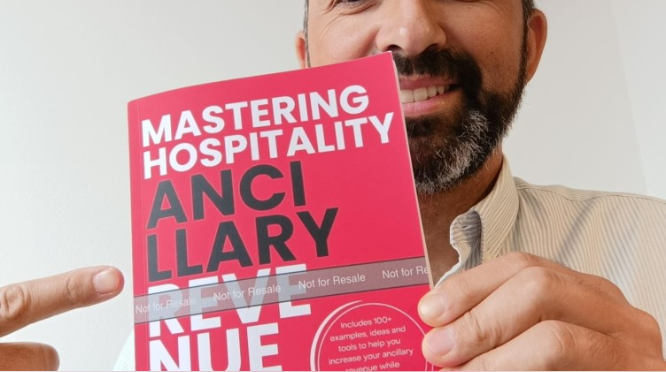
Mastering Hospitality Ancillary Revenue is a practical guide designed to help hospitality professionals unlock new revenue streams beyond room sales. Drawing from over 20 years of industry experience, the book offers actionable strategies across 10 chapters—covering technology, personalization, staff training, marketing, and guest experience—to help hotels, restaurants, spas, and bars optimize profitability through effective ancillary revenue management.
As the hospitality industry faces rising costs and evolving guest expectations, relying solely on traditional revenue sources like room sales is no longer sustainable. Ancillary revenue—generated through personalised services, tech-driven offerings, and strategic partnerships—has become essential for improving profitability, enhancing guest satisfaction, and driving long-term success. By leveraging guest data, embracing mobile technology, and creating tailored experiences, hotels can unlock new revenue streams, differentiate themselves in the market, and build a more resilient business model.

Ancillary revenue is hotel treasure hiding in plain sight.
Guests crave experiences from cooking classes to vip check-out perks.
Food, spa and parking turns idle services into small gold mines.
Reported sales jumped to 18.9 billion dollars in 2022, up from 13.3 billion.
Are you leaving these extra dollars on the table at your property?

Therapist connect one-on-one to unveil clients’ hidden needs.
upselling add-ons like aromatherapy or hot stones feels like a gift.
suggesting skincare products turns a treatment into a lasting ritual.
ethical recommendations build trust and keep guests coming back.
with a 15–25 % revenue boost, suggestive selling is win-win for spas.