

One of the most powerful moments in hospitality doesn't come from high-end tech, flashy design, or Michelin-starred meals.
It comes in the form of a small, unexpected gift. Something as simple as a piece of candy.
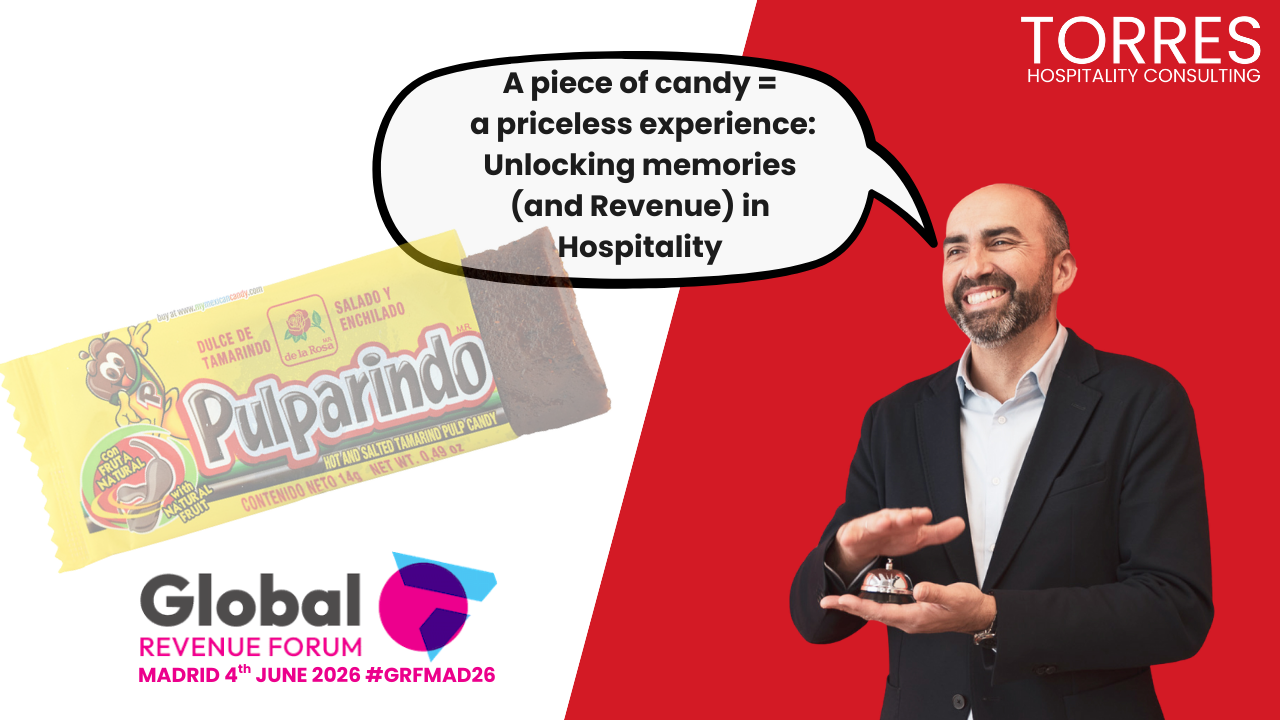
Let me set the scene. A guest finishes a meal at a cozy Mexican restaurant (yes, that guest is again Ertan, our favorite @AmericanTurk). The bill arrives, but instead of just the receipt, there's also a small tamarind candy: Pulparindo, the exact type he used to share with childhood friends. He's immediately flooded with warm memories: afternoons playing football, laughter echoing across patios, and the generosity of the neighborhood kids who never let him leave empty-handed.
That moment? It cost the restaurant maybe 5 cents. And it created a connection no discount or loyalty card ever could.
But this isn't just a feel-good anecdote. It's backed by science, and it reveals something vital for every restaurateur and hotelier to understand: small gestures have outsized emotional and economic impact.
The research: Sweetening the experience…and the Revenue
Two standout studies highlight how tiny additions to the service experience (in this case, candy with the check)can meaningfully Increase tips and improve guest perception:
1. “Sweetening the Till” (Strohmetz et al., 2002)
In two experiments, researchers found that:
- Diners who received a piece of chocolate with their bill tipped significantly more than those who didn't.
- Tip percentages averaged ~17.8% when candy was given vs ~15.1% without.
- The more generous or personalized the gesture (eg, offering a second piece), the greater the tip.
2. “Tipping Tips” (Rodrigue, 1999)
Over a series of thousands of meals, alternating days with and without candy:
- Guests consistently tipped more on days when a sweet was included with the bill.
- The effect held over time, showing it wasn't just novelty but a consistent behavioral response.
These effects are small in absolute terms, but across thousands of guests per month, they compound. Importantly, the effect isn't just financial, as it speaks to a deeper psychological mechanism at play.
Why it works: Neuroscience meets Hospitality
The success of these micro-gestures lies in three simple, powerful psychological principles:
1. Reciprocity
When a guest receives a small gift (even something trivial) they feel compelled to “return the favor.” This often comes in the form of a higher tip, a positive review, or simply telling your friends.
2. Mood enhancement
A treat (especially one tied to childhood or cultural memories) literally changes the emotional state of the guest. They leave with a smile, not just satisfaction.
3. Perception of Thoughtfulness
It signals care and attention. That someone thought of them. And in a world of transactional service, personalization stands out.
Real Hospitality: The experience, not just the service
This brings us to the broader insight for hospitality leaders: what people remember is not always what you think.
It's not just the wine pairing or the perfect room temperature. It's how you made them feel.
In the example of the Pulparindo candy, the true value wasn't in the sugar or packaging. It was in what it unlocked: a personal memory, a sense of being seen, a reconnection to something joyful and nostalgic. That's emotional real estate; and in hospitality, that's more valuable than physical square meters.
Here's the takeaway: Don't just optimize for efficiency, optimize for memory.
Caveats and context: What to keep in mind
Of course, not every tactic works in every setting. Some considerations:
- Cultural differences: In the US, tipping is expected and service-based. In Spain or much of Europe, tipping norms vary greatly. A candy might not affect the bill, but it could impact online reviews, guest loyalty, or word-of-mouth.
- Cost-benefit balance: The right gesture must be affordable, sustainable, and authentic. A luxury resort might offer a warm towel and local treat. A boutique hotel might provide handwritten welcome notes. Context matters.
- Minimizing returns: Overdo it, and the gesture becomes expected, not delightful. As one study showed, there's a tipping point (pun intended) where more candy doesn't equal more gratitude.
Actionable takeaways for Hotels & Restaurants
- Identify emotional touchpoints in your guest journey: check-in, bill delivery, room turn-down; and test small surprise elements.
- Choose gestures that align with your brand. A rural hotel could use locally made honey sticks. A modern urban café might give a quirky quote card or sticker.
- Consider emotional triggers like nostalgia, humor, or comfort. These create memorable moments at very low cost.
- Train staff not just on service steps, but on emotional design: noticing guest cues, remembering names, adapting interactions.
- Measure not only revenue KPIs, but emotional ROI: guest sentiment, reviews mentioning “personal touches,” or even social media shares.
We are in the memory business
Hospitality is not just about beds, meals, or spa treatments. It's about moments.
A small candy can unlock a childhood. A smile can turn a bad day around. A personal note can make someone feel at home across the world.
As professionals, we often chase the next innovation, the next revenue stream, or the next big trend. But sometimes, the most powerful innovations are the smallest gestures. Ones that remind people that they matter.
And in an age of automation, that reminder is priceless.
Have you experienced with small guest gestures in your hotel, spa, or restaurant? I'd love to hear your stories. Let's keep designing hospitality that touches hearts… and yes, boosts the bottom line too.
Pablo
Also, I'd love to invite you to explore my brand new website, where I share more tools, strategies, and real-life case studies on hospitality innovation and revenue. Come take a look: www.torreshospitalityconsulting.com